

Muay Thai is known for its kicks, knees, elbows, and clinch work. However, boxing plays a major role in developing a complete striking skill set.
Strong punching fundamentals improve timing, distance control, and the ability to create openings for other strikes. Many Muay Thai fighters rely on boxing combinations to set up kicks, knees, and elbows.
For beginners, boxing drills are often the first step in understanding rhythm and coordination. Unlike sparring, drills allow students to practice movements repeatedly without the pressure of reacting to an opponent.
Through consistent repetition, these drills develop the foundation that supports more advanced techniques later.
If you want to understand how punches fit into the overall Muay Thai system, you can explore the fundamental techniques here.
The Difference Between Boxing In Muay Thai And Traditional Boxing
While the punching mechanics are similar, boxing within Muay Thai has some important differences.
In traditional boxing, fighters primarily focus on punches and defensive head movement. In Muay Thai, punches are often used to create openings for kicks or clinch entries. Because kicks and knees are part of the game, fighters must also stay aware of balance and stance after throwing punches. Overcommitting to punches can expose the body to kicks or sweeps.
This is why Muay Thai boxing drills often emphasize balance and controlled movement rather than aggressive forward pressure.
Many combinations taught in training combine punches with other strikes. You can learn more about these striking sequences here.
Essential Boxing Drills For Beginners
Shadowboxing
Shadowboxing is one of the most important drills in striking sports. It allows students to practice punches, footwork, and defensive movement without equipment. Because there is no physical target, the focus shifts to form, balance, and rhythm.
Beginners often start with simple combinations such as jab-cross while learning to move their feet correctly. Shadowboxing also helps develop awareness of distance and timing.
Padwork With A Trainer
Padwork is one of the most effective ways to develop punching accuracy and power.
A trainer holds focus pads while calling combinations. This allows students to practice real striking mechanics while receiving immediate feedback.
During padwork, students learn how to:
- Rotate the hips when punching
- Maintain balance after each strike
- Return to guard quickly
These details are difficult to learn through solo training alone.
Heavy Bag Drills
Heavy bag work allows beginners to develop power and endurance.
Unlike padwork, the bag does not move or react, which allows students to focus on repetition and conditioning.
Common beginner drills include:
- Jab-cross repetitions
- Jab-cross-hook combinations
- Continuous punching rounds
Heavy bag training also improves shoulder endurance and overall conditioning.
Partner Drills Without Contact
Partner drills help students develop timing and coordination.
These drills often involve practicing combinations while a partner responds with defensive movements. The goal is not to hit hard but to develop awareness and rhythm.
This type of training bridges the gap between solo drills and sparring.
Common Mistakes Beginners Make
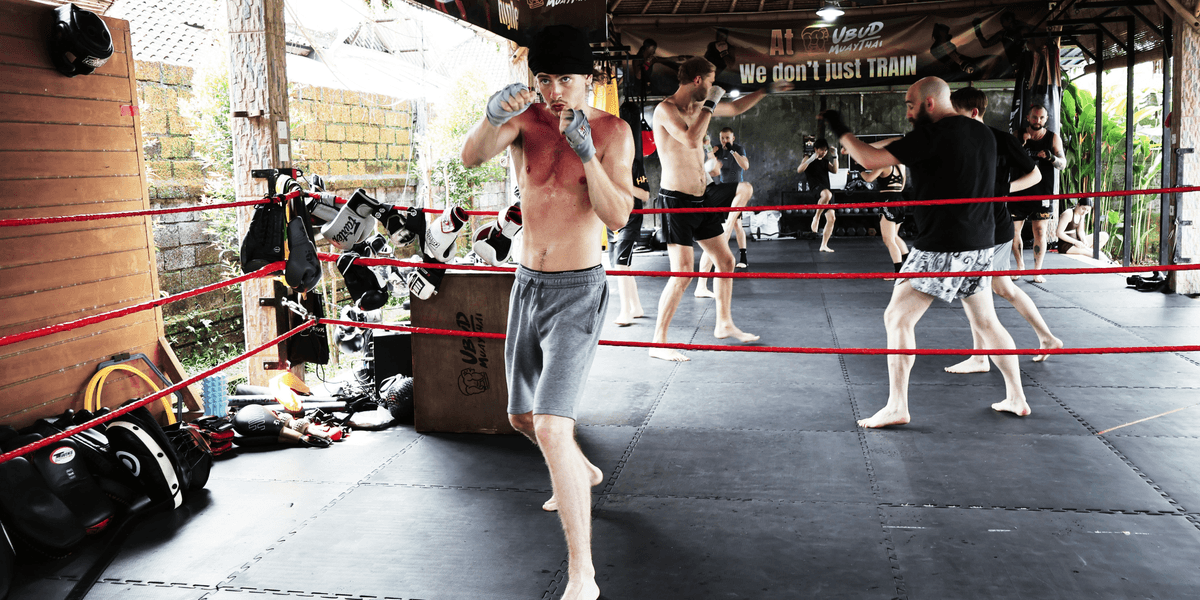
Many beginners struggle with boxing drills because they focus on speed instead of technique. Several common mistakes include:
Punching only with the arms
Without hip rotation, punches lose power and efficiency.
Dropping the guard after punching
Hands should always return to the defensive position.
Standing too upright
A proper stance requires slightly bent knees and balanced weight.
Overextending punches
Reaching too far forward reduces balance and recovery speed.
Correcting these habits early helps prevent long-term technical problems. If you are new to Muay Thai training, understanding proper stance and balance is important. This guide explains the basics.
How Boxing Drills Improve Overall Muay Thai Skills
Although these drills focus on punching, the benefits extend far beyond boxing itself.
Improved punching technique allows fighters to:
- Control distance more effectively
- Create openings for kicks and knees
- Maintain pressure during exchanges
- Improve reaction time
Because boxing combinations often lead into other strikes, these drills strengthen the entire Muay Thai system.
Over time, students begin to see how punches connect with other techniques rather than existing separately.
Practicing Boxing Drills Safely
Safety is important when training striking techniques, especially for beginners.
Most Muay Thai gyms start students with controlled drills before introducing sparring. This approach allows students to build technique and confidence gradually.
During training sessions, coaches monitor form and intensity to ensure that students develop skills safely.
Protective equipment, such as gloves and hand wraps, also helps reduce the risk of injury during drills.
Train Boxing And Muay Thai In Ubud
Boxing drills are a fundamental part of Muay Thai training. Learning them in a structured environment helps beginners improve faster while developing proper technique.
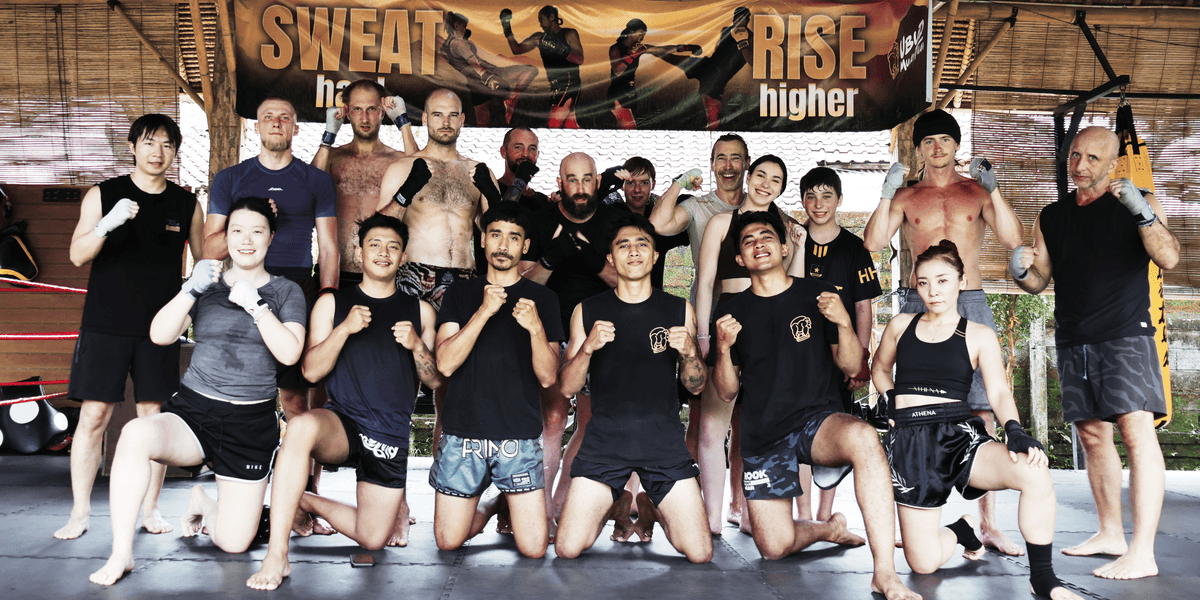
At Ubud Muay Thai, classes include padwork, bag drills, and technical training suitable for all experience levels.
If you want to practice these drills and improve your striking skills, you can view the class schedule here.