

For many beginners, the decision between Kickboxing and Muay Thai doesn’t start with technical knowledge. It starts with a simple question: which one should I try first?
At a glance, the two can look similar. Both involve striking, both include punches and kicks, and both are structured around combinations and movement. But once you step into your first session, the differences become more noticeable: not just in technique, but in how each style feels physically and mentally.
Understanding these differences early helps set expectations. It allows you to choose based on what suits you, rather than guessing from the outside.
What Kickboxing Feels Like in Your First Session
Kickboxing tends to feel more immediately accessible for beginners. The structure is straightforward, and the movements are often easier to pick up in the early stages.
In your first session, you’ll likely start with basic combinations: punches followed by kicks, repeated in a controlled rhythm. The focus is on flow, coordination, and maintaining consistent movement. There is less emphasis on complexity and more on getting comfortable with striking patterns.
Because of this, Kickboxing often feels faster-paced. You move continuously, working through combinations that keep your heart rate elevated. It can feel like a mix between technique training and cardio conditioning, especially for those who are new to striking sports.
Drills play a significant role here. Repetition helps build familiarity, allowing beginners to improve timing and coordination without overthinking each movement. Over time, this creates a sense of rhythm that makes the training feel more natural.
For many people, Kickboxing feels like a strong entry point. It’s structured, engaging, and relatively easy to follow in the beginning.
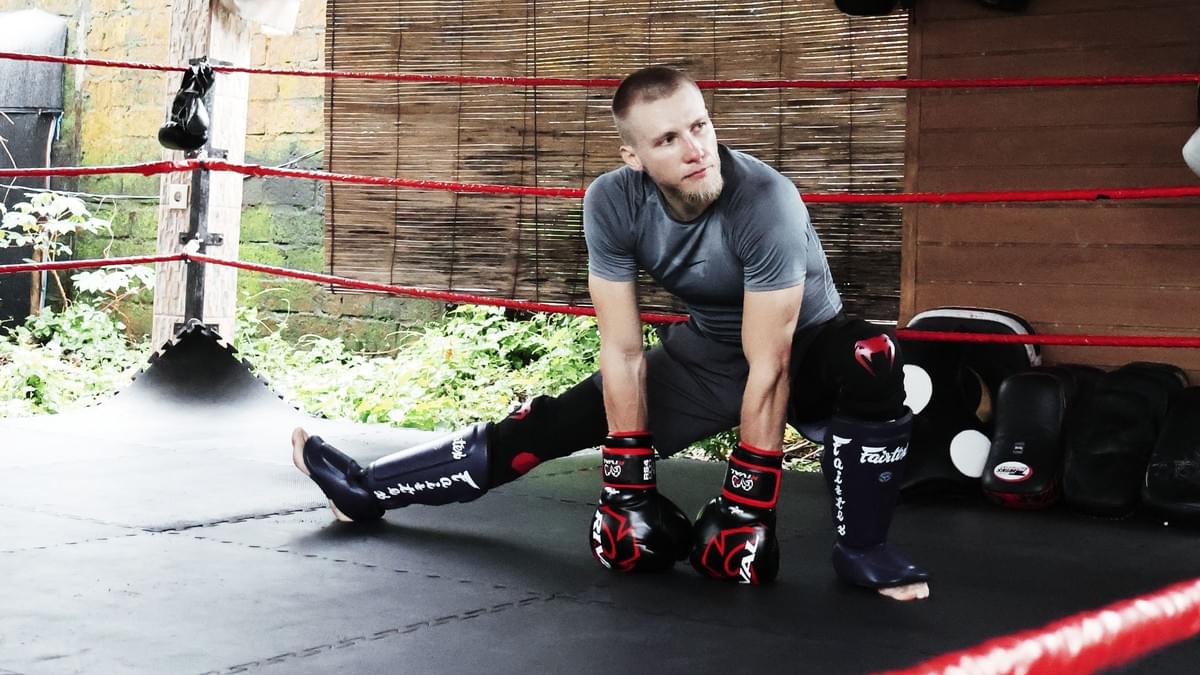
What Muay Thai Feels Like in Comparison
Muay Thai, on the other hand, tends to feel more demanding from the start.
While you will still learn basic punches and kicks, the range of techniques is broader. Muay Thai includes elbows, knees, and clinch work, which adds layers of complexity that beginners are not always expecting.
In your first session, this can feel slower, but also more detailed. There is more emphasis on positioning, balance, and how each movement connects to the next. Instead of focusing only on combinations, you begin to understand how different techniques fit together within a system.
Physically, Muay Thai often feels heavier. Movements require more stability, especially when working with kicks and knees. There is also more focus on controlling your body during each action, rather than simply moving quickly from one strike to another.
This doesn’t make it harder in a negative way; it just means the learning curve can feel different. Progress may seem slower at first, but it builds depth over time.
The Difference in Movement and Rhythm
One of the clearest differences between Kickboxing and Muay Thai is the rhythm of training.
Kickboxing tends to emphasize continuous movement. You are often stepping in and out, throwing combinations in quick succession, and maintaining a steady pace throughout the session. This creates a dynamic, energetic feeling that keeps the training engaging.
Muay Thai, by contrast, often feels more deliberate. Movements are slightly more grounded, and there is a greater focus on balance and control. Instead of constant motion, there are moments of pause, small resets that allow you to stay stable and prepared.
For beginners, this difference can be surprising. Kickboxing may feel more fluid and fast, while Muay Thai feels more structured and controlled. Neither is better nor worse; they simply offer different experiences.
How Partner Work Changes the Experience
In both Kickboxing and Muay Thai, training is not done alone. Partner drills are an essential part of learning, and they significantly influence how each session feels.
Working with a partner introduces timing, reaction, and coordination in a way that solo training cannot. You begin to understand distance, adjust your movements, and respond to another person rather than just repeating patterns.
In Kickboxing, partner drills often focus on combinations and controlled exchanges. The goal is to improve flow and accuracy while maintaining rhythm.
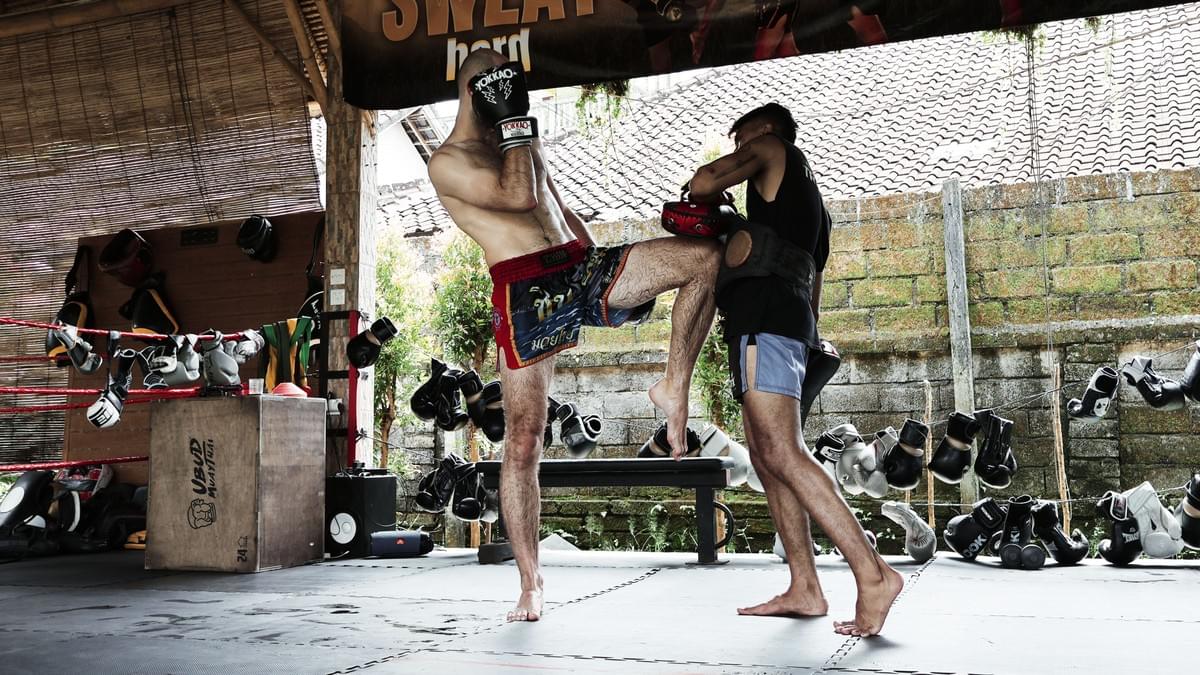
In Muay Thai, partner work can feel more varied. It includes not only striking, but also elements like clinch positioning and control. This adds another layer to the experience, especially for beginners who are still adjusting to the basics.
If you want to understand how partner drills contribute to faster learning and overall improvement, you can explore it further here.
Training with others changes the experience from repetition to interaction, which is where real progress begins to take shape.
Which One Feels Harder?
This is one of the most common questions, but the answer depends on what you define as “hard.”
Kickboxing can feel physically demanding because of its pace. The continuous movement, combined with repeated combinations, can push your endurance quickly, especially if you are new to this type of training.
Muay Thai can feel more challenging in terms of coordination and control. The additional techniques and emphasis on balance require more attention, which can feel mentally demanding at first.
In reality, both are challenging in different ways. The difficulty is not about which one is harder, but about which type of challenge suits you better.
Choosing Based on Experience, Not Assumptions
Instead of trying to decide based on perception, it is often more helpful to think about what kind of experience you are looking for.
If you prefer something that feels dynamic, fast-paced, and easier to pick up in the beginning, Kickboxing may feel more comfortable.
If you are interested in a more detailed system that includes a wider range of techniques and a stronger focus on control, Muay Thai may feel more rewarding over time.
However, the best way to understand the difference is not through comparison; it’s through experience. Trying both allows you to feel how your body responds, how you adapt to each style, and which one keeps you engaged.
Starting Without Overthinking It
For beginners, the most important step is simply starting.
It’s easy to spend time comparing options, trying to make the perfect choice before taking action. But both Kickboxing and Muay Thai offer valuable experiences, and both provide a strong foundation for improving fitness, coordination, and overall confidence.
Your first session is not about mastering the style. It’s about understanding how it feels and whether it’s something you want to continue.
Over time, that initial experience becomes more important than any comparison.