

Most people walk into their first striking class thinking Muay Thai and Kickboxing are essentially the same. Punches, kicks, gloves, sweat. The differences, they assume, are mostly cosmetic. That assumption usually lasts about one session.
At Ubud Muay Thai, we see it often. Students who expected similar training suddenly notice that the pace feels different. The distance feels different. Even the way they breathe, stand, and recover between rounds starts to change — depending on which class they’re in.
Those changes don’t come from coaching style alone. They come from the structure each discipline is built on.
Before talking about preference or difficulty, it helps to understand what actually shapes these two styles once training begins.
The Rule Set Is the Quiet Architect of Training
Muay Thai and Kickboxing are shaped by different rule sets, and those rules quietly influence everything that happens in the gym.
Muay Thai allows strikes from eight points of contact: fists, shins, knees, and elbows. Clinching is not a pause in action — it’s a core skill. Because of this, training places heavy emphasis on balance, posture, composure under pressure, and control at close range.
Kickboxing, by contrast, focuses primarily on punches and kicks, usually at long to mid-range. Clinches are brief or broken quickly. Training naturally emphasizes movement, angles, rhythm, and combinations delivered while maintaining distance.
These structural differences explain why the two styles feel distinct almost immediately — even before technique becomes complex.
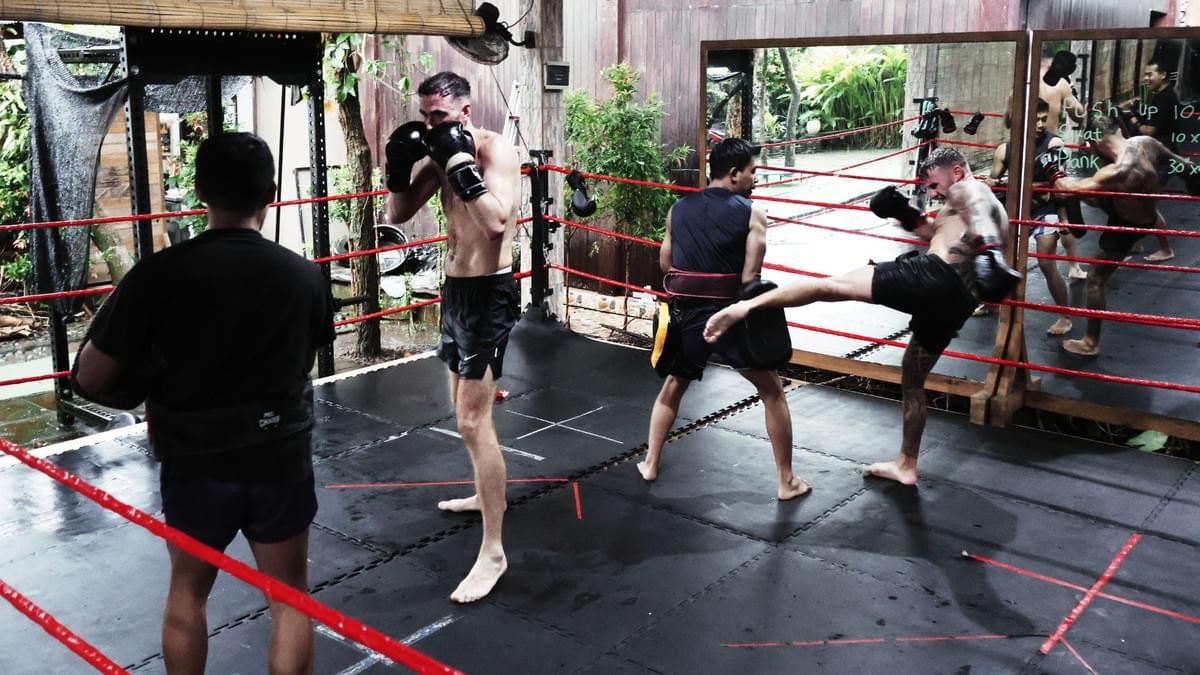
Distance Changes How You Move and Think
One of the first things people notice is distance.
Kickboxing encourages staying mobile. Footwork, lateral movement, and timing play a central role. Training often feels fluid and fast-paced, with an emphasis on entering, striking, and exiting cleanly.
Muay Thai, while it also includes movement, prepares students to stay calm when distance collapses. Clinch situations, knees, and elbows require stability, balance, and patience. Training teaches you how to remain composed when space disappears and pressure increases.
Neither approach is better — but they ask different things of your body and your mindset.
Clinch Work vs Continuous Flow
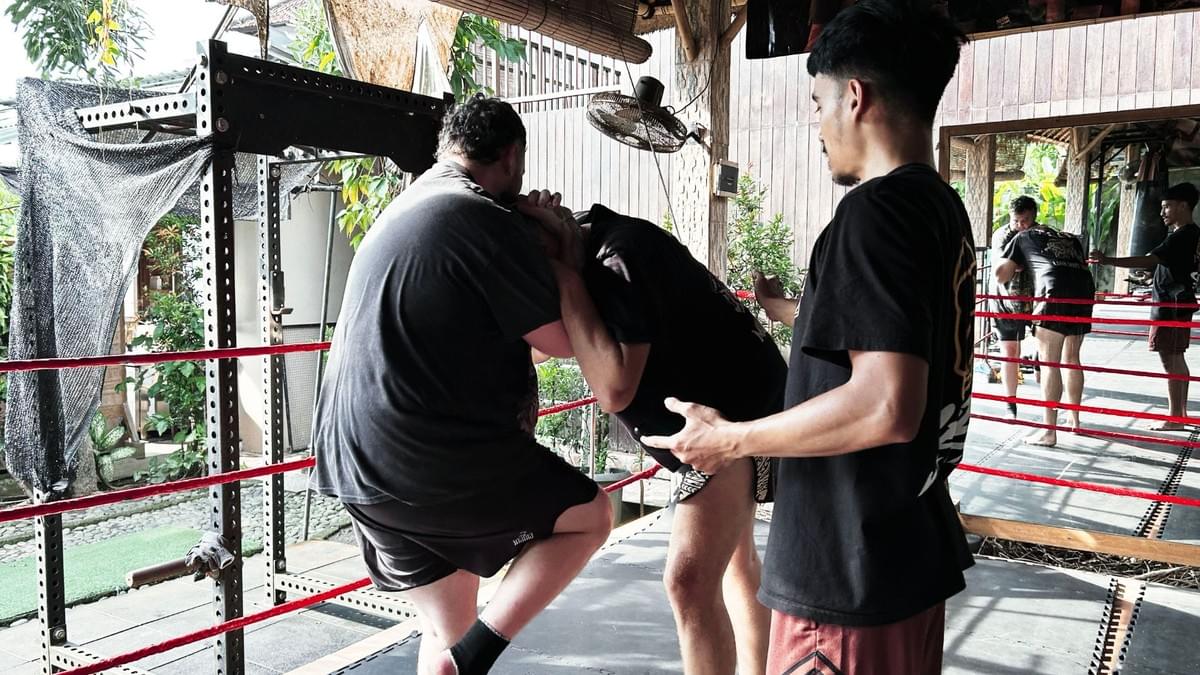
The clinch is where many people feel the difference most clearly.
In Muay Thai, clinching is technical and strategic. Students learn how to control posture, off-balance an opponent, protect themselves, and strike while maintaining balance. Neck strength, core engagement, and breathing become essential.
In Kickboxing, clinches are usually transitional moments. Training stays focused on striking exchanges rather than sustained close-range control. The rhythm remains continuous, with less time spent tied up.
This distinction alone shapes conditioning, strength development, and even how fatigue shows up during training.
Scoring Influences Strategy and Pace
Even outside competition, scoring philosophies influence how each sport is taught.
Traditional Muay Thai scoring values balance, control, and visible effectiveness. Clean kicks, knees, and composed dominance often matter more than sheer volume. This encourages a calmer, more measured approach to striking.
Kickboxing often rewards activity, combinations, and visible aggression. Fighters are encouraged to maintain output and pressure, which shapes a faster, more continuous training rhythm.
Over time, students begin to internalize these priorities — not consciously, but through repetition.
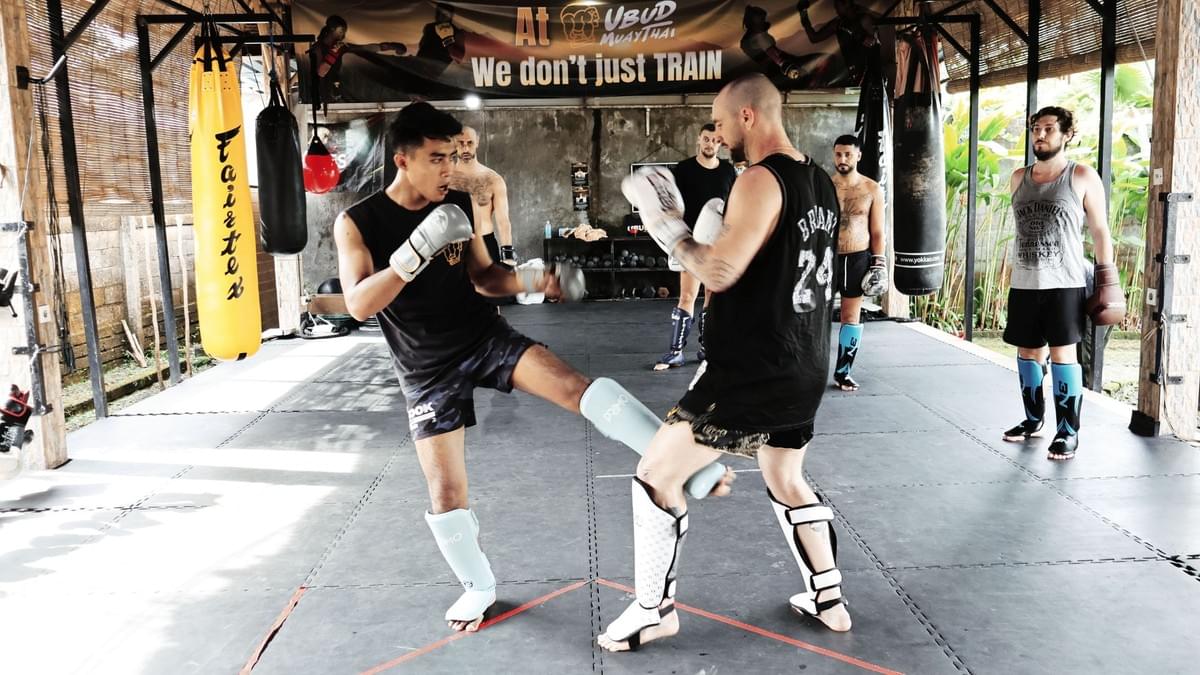
Conditioning Feels Different in Practice
Both sports demand high levels of conditioning, but in different ways.
Kickboxing conditioning emphasizes sustained movement, cardiovascular endurance, and repeated combinations. Fatigue tends to show up as breathlessness and leg burn from constant motion.
Muay Thai conditioning includes endurance under pressure, clinch strength, neck and core conditioning, and the ability to stay relaxed while absorbing and delivering impact at close range.
Training reflects these demands. Conditioning is never random — it’s shaped by what the sport requires.
Which One Is Harder?
This question comes up often, and it rarely leads anywhere useful. They are hard in different ways.
Kickboxing challenges timing, speed, coordination, and output. Muay Thai challenges composure, balance, physical control, and mental patience.
Some people naturally gravitate toward movement and rhythm. Others feel more at home learning how to control pressure and remain stable under stress. Many enjoy training both. Difficulty isn’t universal; it’s personal.
What Changes Once You Commit to Training
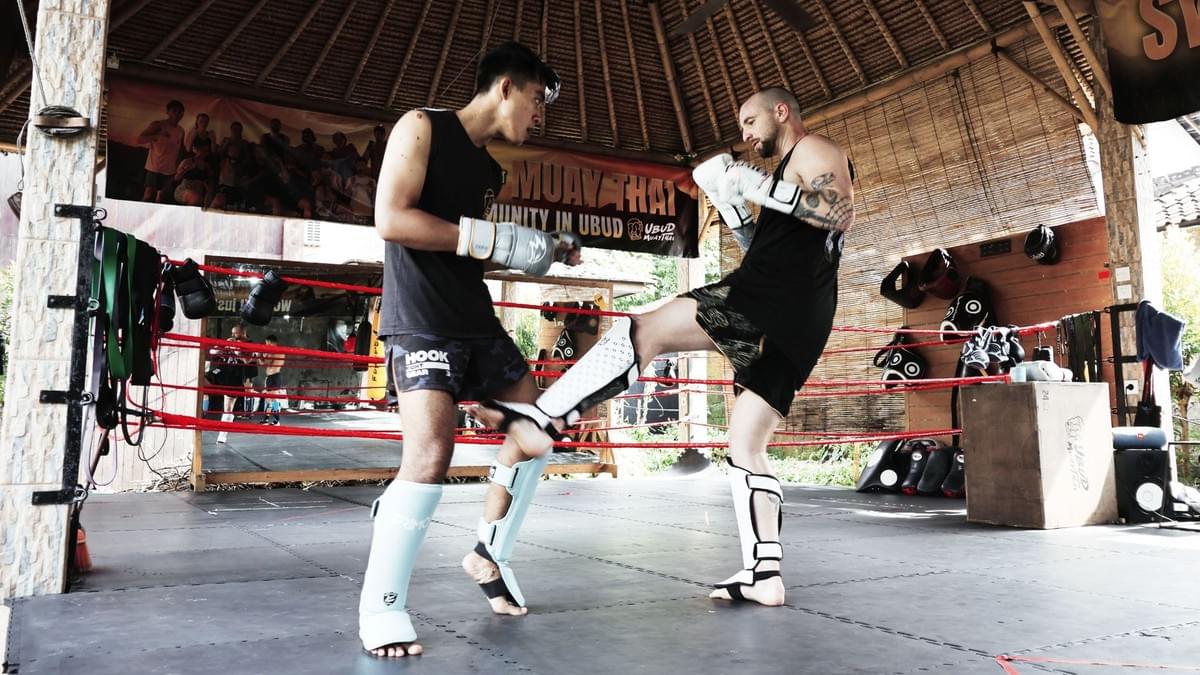
Once training becomes consistent, the differences stop being theoretical.
Kickboxing often sharpens reflexes, footwork, and rhythm. Muay Thai often deepens body awareness, balance, and emotional regulation under pressure.
Both build discipline. Both improve fitness. Both demand respect for technique.
What changes most is not just how you move — but how you respond to effort, discomfort, and challenge.
Choosing Where to Start (or Whether You Need to Choose at All)
If you’re new, the best place to start is often the one that feels approachable. You don’t need to decide your identity on day one. Training reveals preferences over time.
Many students discover that cross-training gives them a broader understanding of striking. Each style fills gaps the other leaves open. The most important thing is not choosing perfectly, it’s starting.

Experience Makes the Difference
Reading about Muay Thai and Kickboxing can help you understand the structure. Training is what lets you feel the difference.
At Ubud Muay Thai, we offer both Muay Thai and Kickboxing classes in a supportive, open-air environment. Our trainers explain the reasoning behind techniques, guide progression carefully, and encourage learning without pressure or judgment.
If you’re curious to experience the difference for yourself, you can explore our classes here. You don’t need to have it all figured out; you just need to step onto the mat.