

Booking a Muay Thai camp is easy. Knowing what your first week will actually feel like is harder, especially if you've never trained combat sports before. Here's a realistic breakdown, not a highlight reel.
Before You Arrive: What to Pack and Expect
Most first-timers overpack gear and underpack the right mindset. You genuinely don't need much equipment on arrival — hand wraps, a mouthguard if you plan to spar eventually, and light, breathable training clothes cover the basics. Gloves and pads are typically available on-site, so there's no need to arrive with a full kit unless you already have gear you're attached to.

What matters more is preparing physically and mentally for Bali's climate and training intensity. Ubud's heat and humidity catch a lot of visitors off guard, even people who train regularly back home. Hydration becomes non-negotiable from day one, not something to figure out later in the week. It's also worth arriving with realistic expectations about soreness — even fit, active people tend to feel muscles they didn't know they had by day two or three, simply because Muay Thai uses movement patterns most other sports and gym routines don't touch.
Mentally, the most useful thing to pack is patience with yourself. A week isn't long enough to master technique, and it's not supposed to be. It's enough time to build a real foundation, understand how training here works, and get a genuine feel for whether this is something you want to keep building on.
Day 1: Check-In and Your First Session
Most camp stays begin with check-in from early afternoon, giving you time to settle in before your first session — usually the following morning, so you're not walking straight from a flight into a training session. Coaches typically use day one to assess where you're starting from, not to test you. Expect a warm-up, an introduction to basic stance and guard, and simple pad work focused on fundamentals rather than anything advanced.
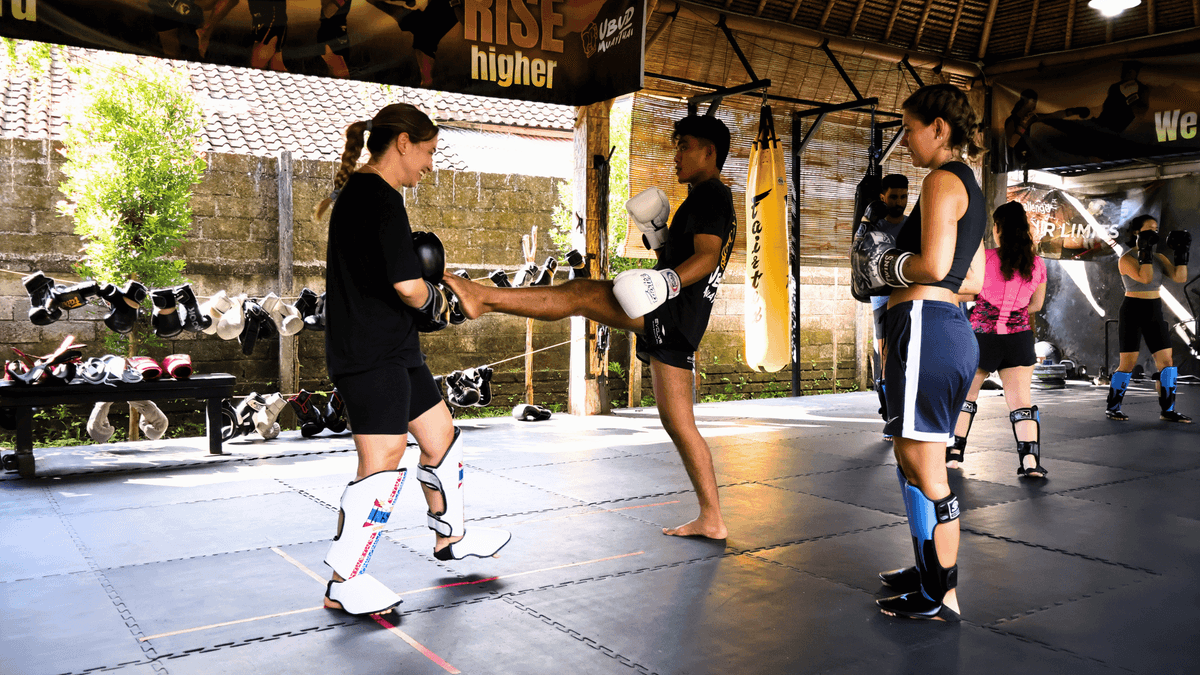
The energy on day one is usually a mix of nerves and adrenaline, and that's completely normal. Most beginners describe the first session as harder than expected physically, but far more welcoming socially than they'd braced for. Coaches pace the intensity based on who's in the room, and training partners — many of whom remember their own first day clearly — tend to be encouraging rather than competitive with newcomers.
By the end of day one, most people are sore, a little overwhelmed, and already looking forward to the next session. That combination is a good sign, not a warning one.
Finding Your Rhythm by Day 3-4
The middle of the week is usually where things shift. Initial nerves fade, your body starts adjusting to the training volume, and technique that felt awkward on day one starts to feel slightly more natural by repetition alone. This is typically when people start noticing real progress — not perfect technique, but moments where a combination flows better, or a kick lands with more control than it did two days earlier.
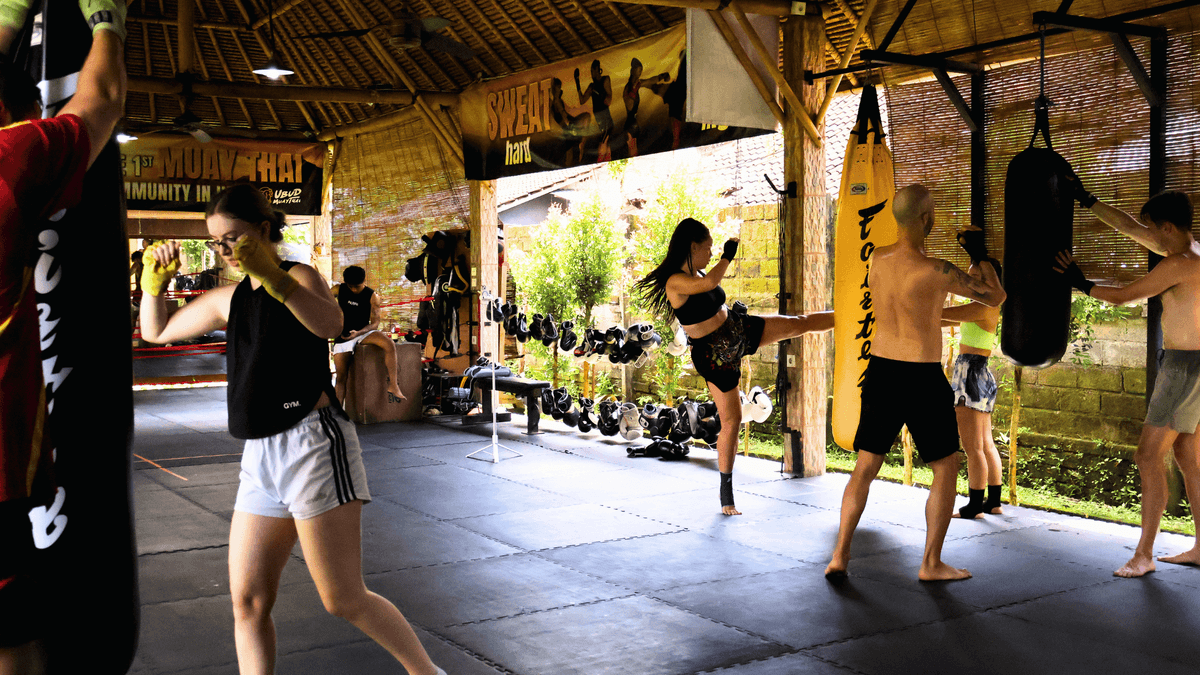
It's also usually when soreness peaks before beginning to ease, particularly through the hips, shoulders, and core — areas most new training styles don't demand in the same way Muay Thai does. Recovery matters here more than people expect; staying hydrated, stretching, and getting real sleep between sessions makes a noticeable difference in how the second half of the week feels compared to the first.
By day four, most beginners have settled into the daily rhythm — training sessions, meals, rest, repeat — and the environment starts to feel less foreign. Conversations with training partners get easier, coaches start recognizing faces and calling people by name, and the whole experience shifts from "trying something new" to "actually training."
What a Typical Training Day Actually Looks Like
Beyond the broad arc of the week, it helps to know what a single day tends to look like once the rhythm sets in. Most camp schedules revolve around two sessions — a morning training block and an afternoon or early evening one — with meals and rest built around them rather than squeezed in wherever there's time. Mornings tend to focus on technique and conditioning, since energy and focus are highest before the heat of the day sets in fully. Afternoon sessions often shift toward pad work, sparring drills for those ready, or more conditioning depending on the day's focus.
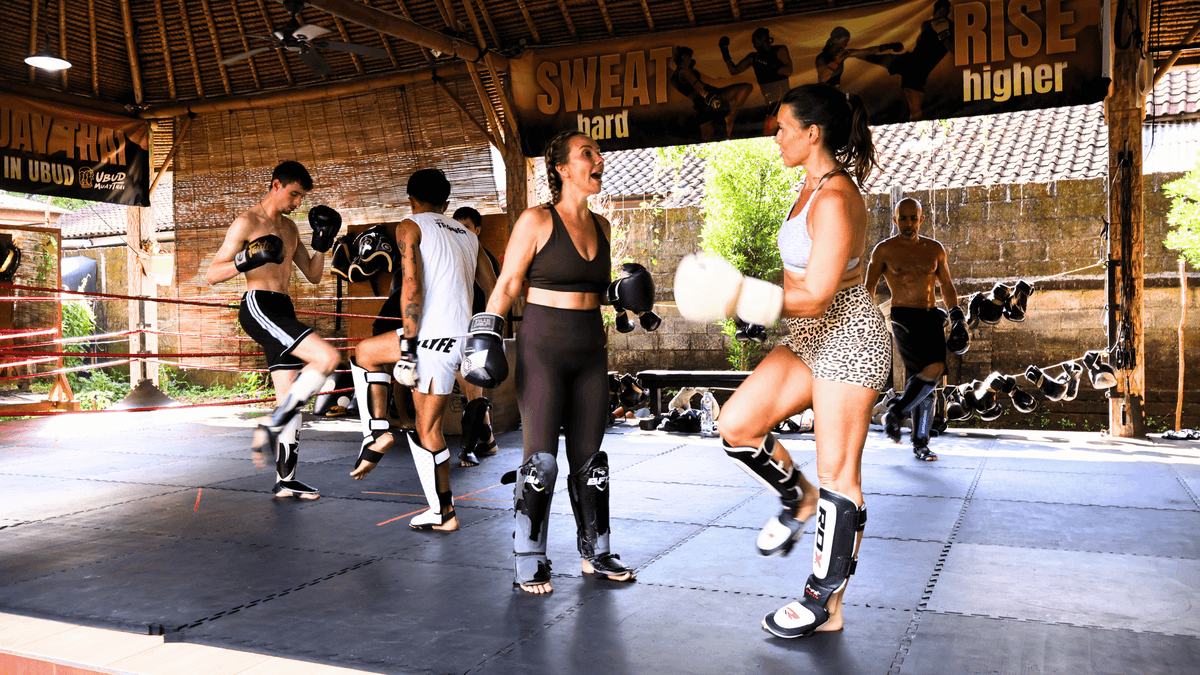
Between sessions, most people spend time eating, resting, and — if they're smart about it — doing some light stretching or mobility work rather than just lying flat until the next class. The gap between sessions matters more than beginners expect; it's not dead time, it's recovery time, and how you use it affects how the next session feels.
Meals tend to be straightforward and practical rather than elaborate — enough protein and carbohydrates to support two training sessions a day, without anything that sits heavy before training. A lot of first-timers find their appetite changes noticeably by mid-week, often increasing as the body adjusts to the training load, which is completely normal and worth planning for rather than fighting against.
How to Get the Most Out of a Short Stay
For anyone training for just a week, a few habits make a disproportionate difference. Showing up to every session, even on days when soreness makes it tempting to skip, tends to matter more than any single technical detail — consistency across a short stay compounds faster than most people expect, since the body adapts quickly to repeated exposure even over just a handful of days.
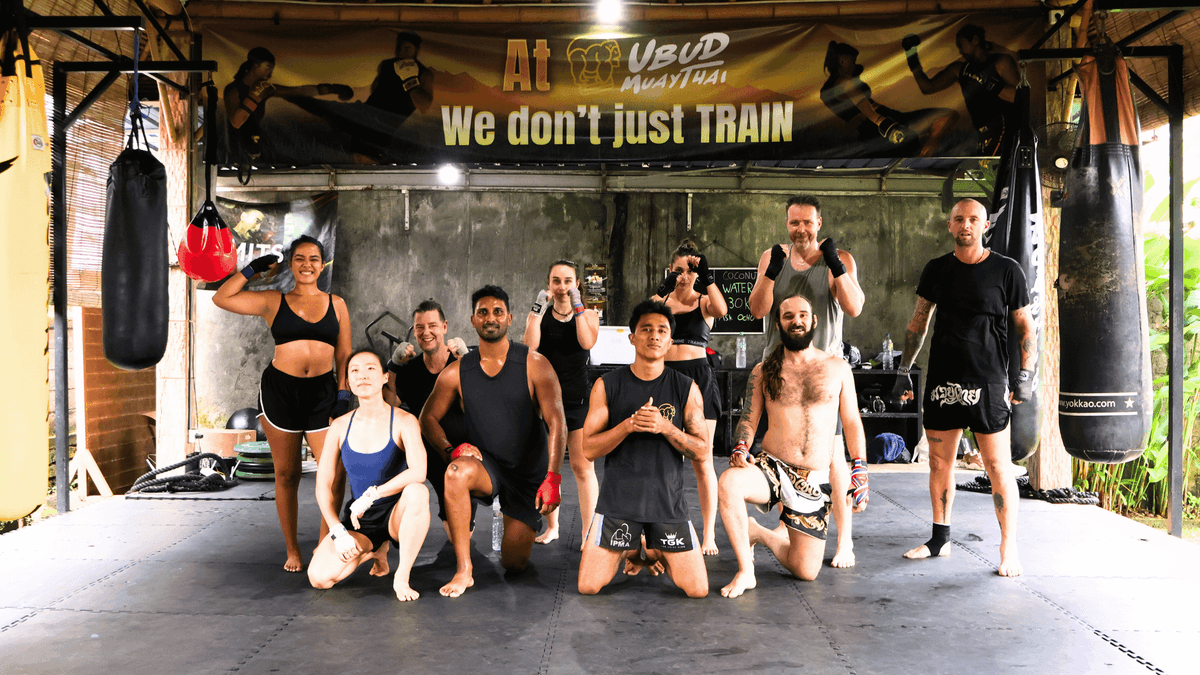
Asking questions matters too. Trainers would rather answer a basic question about stance or technique than watch someone quietly struggle through a session unsure of what they're doing wrong. A week is short enough that there's little value in hesitating to ask for correction or clarification — that's exactly what the time is for.
Finally, treating the week as a full experience rather than just a series of training sessions tends to make it stick. The conversations after class, the shared meals, the small talk between rounds — these aren't separate from the training; they're part of what makes a short stay feel like it actually meant something by the time it's over, rather than just a physically demanding week that blurs together in hindsight.
Where You'll Stay
For anyone training with us for a full week or longer, staying close to the gym makes a real difference — less time commuting, more time recovering between sessions, and an easier rhythm overall. We rent rooms directly, so accommodation and training can be handled in the same place without juggling separate bookings across Ubud. If you want to check availability for your dates, the fastest way is to message us directly on WhatsApp, and we'll confirm what's open.
What Surprises Most Beginners
A few things come up again and again from first-timers reflecting on their week. The physical difficulty is rarely the biggest surprise — most people expect Muay Thai to be demanding. What catches people off guard more often is how mentally engaging it is. There's very little time to think about anything outside the room once training starts, which a lot of visitors describe as unexpectedly meditative, especially compared to the mental noise of everyday life or travel planning.
The community aspect surprises people too. A week isn't long, but training daily alongside the same group creates a kind of fast familiarity that's hard to replicate elsewhere. By the end of the week, strangers from the first session often feel more like training partners you'd genuinely want to stay in touch with.
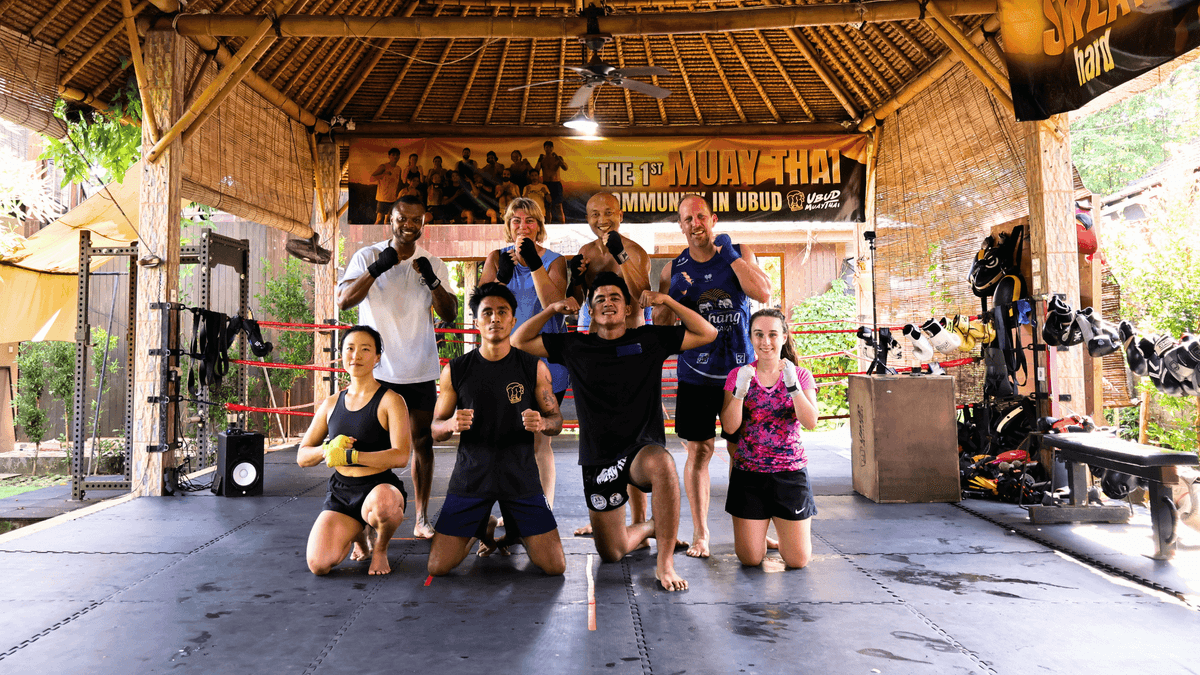
Finally, most beginners are surprised by how much they want to keep going. A week that starts as "let's just try this while we're in Bali" often ends with people asking about extending their stay, or already planning a return trip built specifically around training rather than around anything else the island offers.
If that sounds like the kind of week you're looking for, the easiest way to get started is to check the training calendar and book a session that fits your dates in Ubud.