

Most gyms have trainers who used to compete. Ubud Muay Thai has two who still do. Yudhi and Yudha aren't teaching from memory of their fighting days — they're actively living them, which changes what it means to train under them.
Two Champions, Two Disciplines
Yudhi and Yudha are twin brothers, and between them they cover an unusual amount of combat sports ground. Yudhi holds national champion status in boxing, while Yudha carries national titles across Muay Thai, kickboxing, and Wushu. That's not a resume built for a highlight reel — it's a genuinely rare combination of disciplines under one roof, and it shapes how they train in ways that are easy to underestimate until you've trained with them directly.
Having a boxing specialist and a striking generalist as your two primary trainers means students at UMT get exposure to detail most single-discipline gyms simply can't offer. Yudhi's boxing background sharpens hand technique, head movement, and footwork in ways that carry directly into Muay Thai's punching game. Yudha's cross-discipline background in Muay Thai, kickboxing, and Wushu brings range — kicking mechanics, clinch work, and the kind of adaptable movement that comes from training across multiple striking systems rather than just one.
Why They Still Compete While Teaching Full-Time
Here's what sets Yudhi and Yudha apart from a lot of trainers in the industry: they haven't stepped back from competition to focus on teaching. They're doing both at the same time, which is a genuinely demanding commitment most people underestimate until they think about what it actually requires.
Competing nationally means maintaining fight-level conditioning, technique, and mental sharpness — on top of running full teaching schedules, correcting students' form round after round, and managing the physical toll of holding pads for hours a day. It would be far easier, and far more common in this industry, to retire from active competition once training becomes the primary focus. Yudhi and Yudha haven't taken that easier path, and that choice says something specific about who they are as trainers.
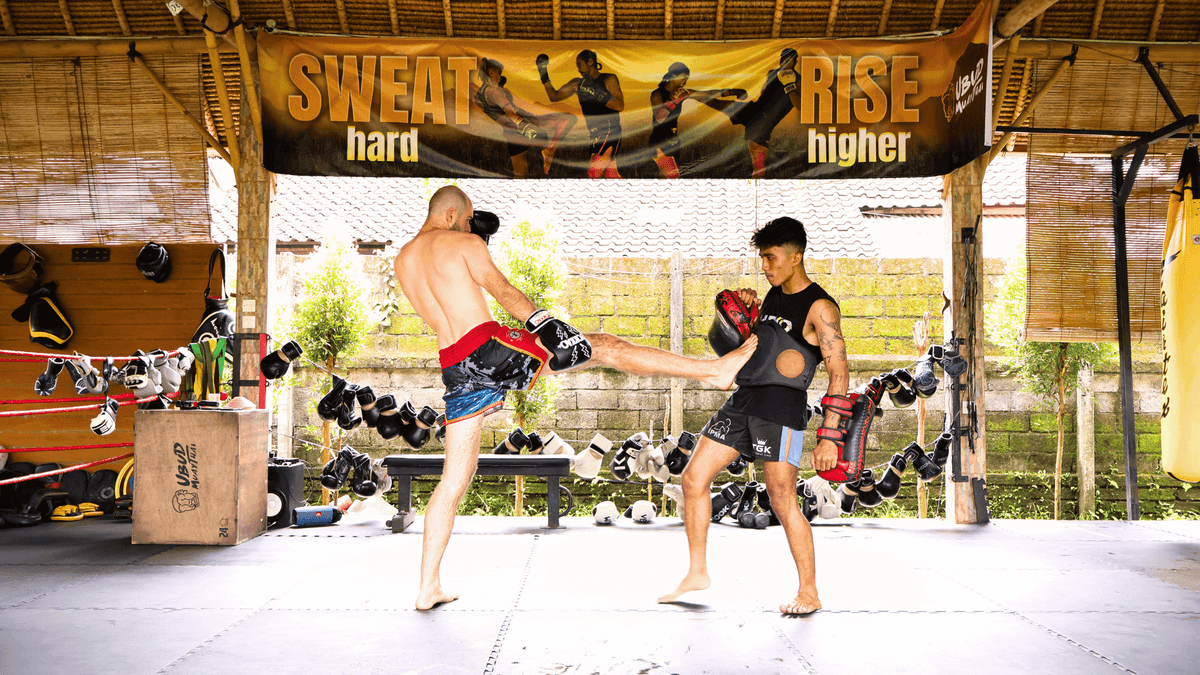
Staying active in competition means their technique isn't theoretical or historical — it's current. What they teach in a Tuesday morning class is informed by what they're actively drilling for their own upcoming fights, not techniques recalled from years back. That currency matters. Combat sports evolve, and trainers who've stepped fully away from competition can find their technique quietly falling behind the sport's current pace without realizing it. Yudhi and Yudha don't have that gap, because they're still in it.
What Ongoing Competition Says About Integrity and Commitment
There's a specific kind of integrity in choosing the harder path when an easier one is available and would go entirely unquestioned. Nobody would fault Yudhi or Yudha for stepping back from competition to focus purely on training — plenty of respected trainers do exactly that, and it's a completely legitimate choice. That they haven't isn't about needing to prove anything. It's about a genuine, ongoing commitment to the sport itself, not just to teaching it.
That commitment shows up in the details students notice over time. A trainer who's still training at a competitive level pushes through the same fatigue, makes the same weight-conscious decisions, and faces the same pressure before a fight that they're asking students to understand and respect. It's the difference between a trainer describing what pressure feels like from memory and a trainer who felt exactly that pressure a few weeks ago, preparing for their own fight.
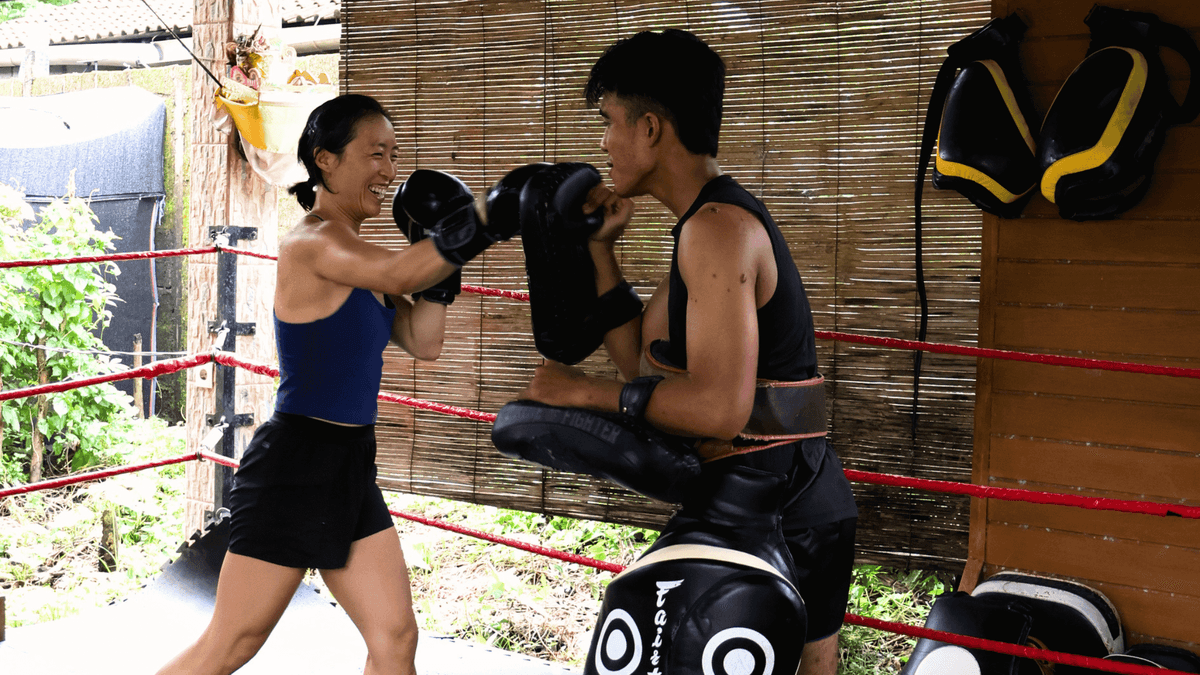
For students, training under trainers who are still actively competing changes the relationship. It's not a hierarchy of "someone who used to do this teaching someone who's starting" — it's closer to training alongside people who are still, in a very real sense, doing the work themselves. That closes a gap that exists in a lot of training relationships, and it's part of what makes the culture at UMT feel different from gyms where training and competing are treated as two separate chapters of a career rather than something happening simultaneously.
Training Philosophy Shaped by Still Being an Athlete
There's a meaningful difference between a training philosophy built from memory and one that's still being actively tested. Yudhi and Yudha's approach to teaching is shaped in real time by their own training cycles — the adjustments they're making to their own technique ahead of a competition often show up, almost immediately, in how they correct students in class. When a trainer discovers something that improves their own performance, that insight doesn't sit unused until some theoretical future lesson plan. It gets passed on the following week, sometimes the following day.
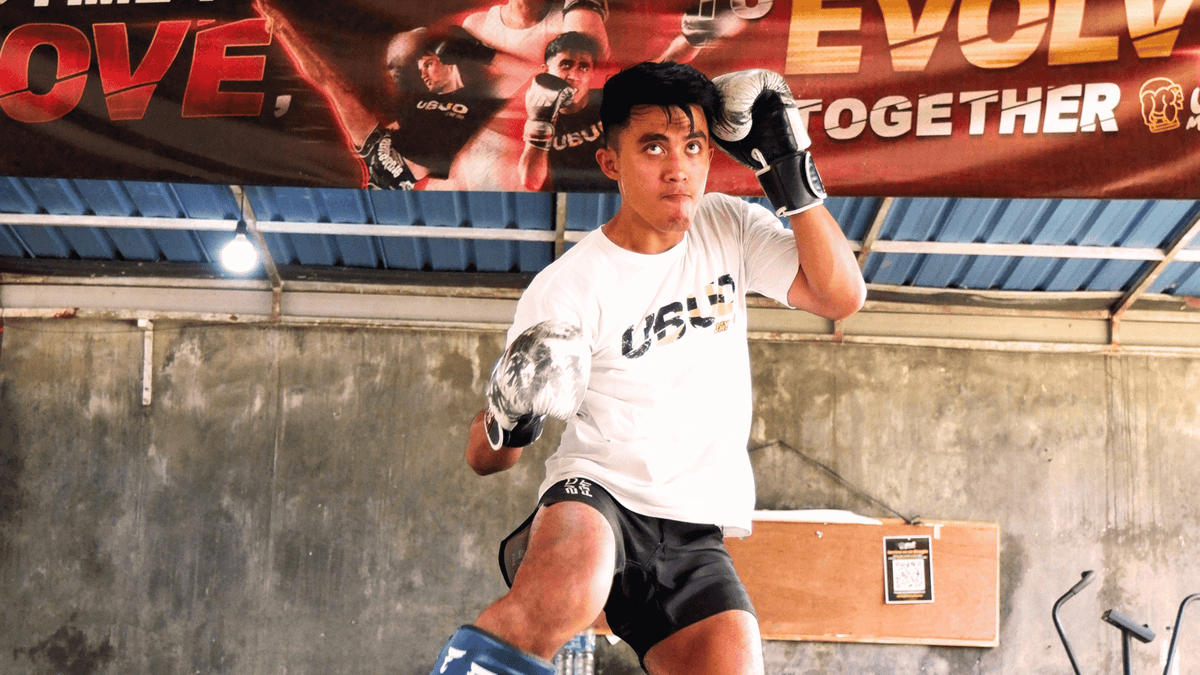
This also means their training evolves. A trainer who stopped competing years ago is, in a sense, teaching a fixed snapshot of the sport as it existed when they were still fighting. Yudhi and Yudha's training keeps moving because they're still moving — still adjusting to how opponents are training, still refining based on what's working and what isn't in their own most recent fights; for students, that translates into instruction that stays current rather than settling into a fixed, unchanging curriculum year after year.
It also shapes the culture around setbacks. Students who lose a sparring exchange, or struggle with a technique for weeks before it clicks, are training alongside trainers who go through the exact same process at a competitive level — losing rounds, adjusting, coming back stronger. That shared experience of struggle and correction, rather than a trainer simply dispensing wisdom from a position of having already "arrived," creates a training environment that feels collaborative rather than purely hierarchical.
The Discipline Behind Two Careers at Once
It's worth pausing on just how demanding it actually is to maintain competitive-level training while teaching full-time, because it's easy to state as a fact without appreciating the discipline it requires. Competing nationally means structured training blocks, weight management, recovery protocols, and mental preparation — all of which take real time and energy. Teaching full-time means being present, patient, and technically sharp for hours a day, every day, regardless of how their own training is going that week.
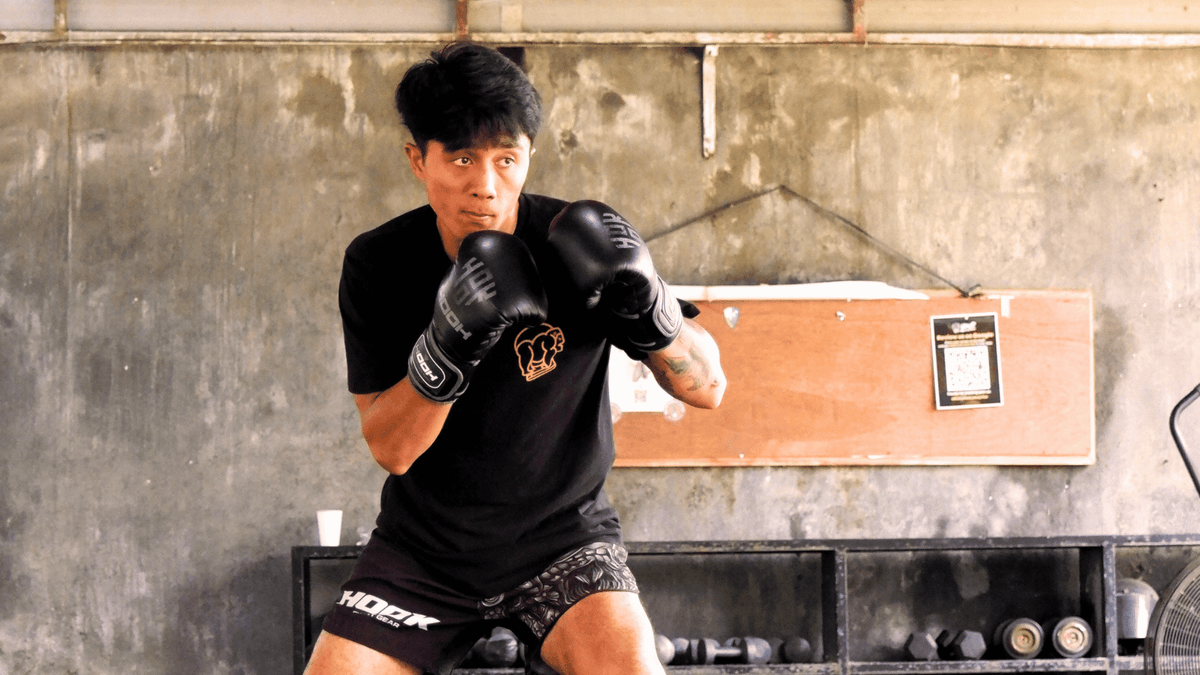
Balancing both isn't a schedule most people could sustain, and it's a big part of why so few trainers in this industry choose to keep competing once teaching becomes their primary income. Yudhi and Yudha's willingness to carry both, consistently, is less a statement they make in words and more something students simply observe over time — in a trainer who shows up sharp after their own hard training session, or who's visibly managing weight ahead of a fight while still holding pads for a full class the same week.
What Students Can Expect Training Under Them
Both brothers bring distinct energy to their training, shaped by their individual disciplines, but the throughline is the same: technical precision paired with genuine patience for where each student is starting from. Yudhi's boxing-focused sessions tend to emphasize head movement, combinations, and footwork discipline — details that often get overlooked in gyms that treat hands as secondary to kicks. Yudha's sessions draw on his broader striking background, often blending clinch work, kicking technique, and adaptable movement patterns pulled from Muay Thai, kickboxing, and Wushu alike.

What students consistently mention, though, isn't just the technical depth — it's the standard both brothers hold for themselves and quietly pass on through how they train. Watching a trainer maintain that level of discipline, competition after competition, class after class, tends to shift how seriously students take their own training, even at a beginner level.
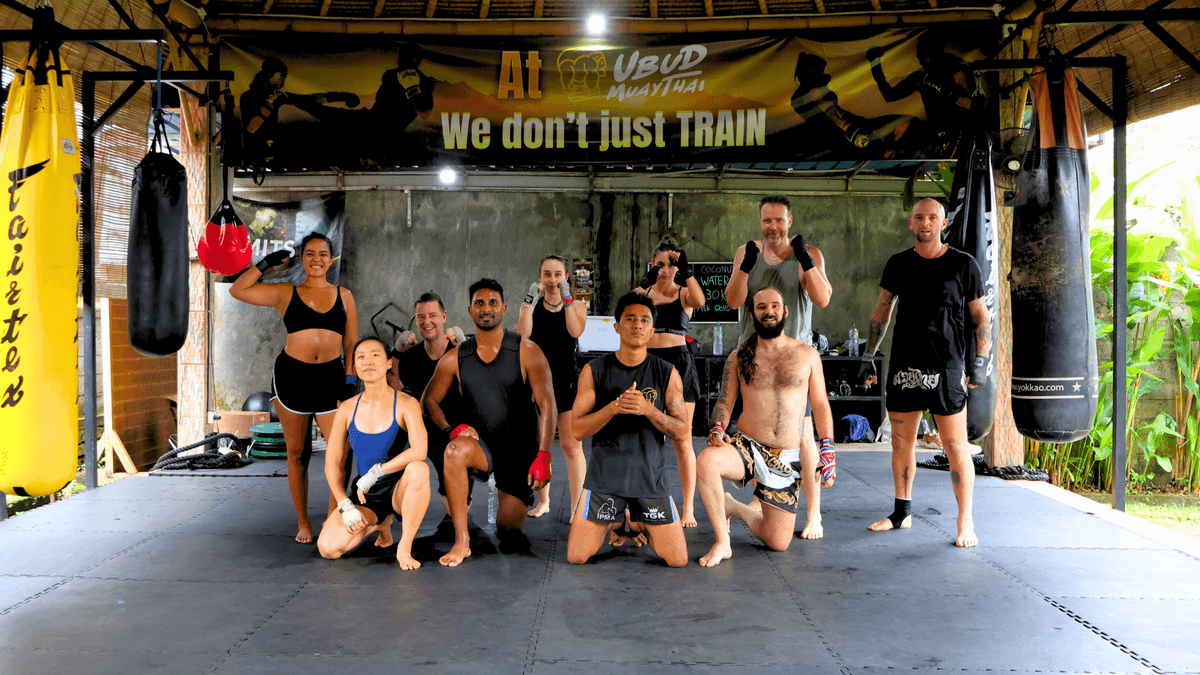
If you want to see the full lineup of trainers behind Ubud Muay Thai, including Yudhi and Yudha, our trainers page has more background on the training team as a whole.
Training under trainers who are still actively proving themselves in competition is a different experience than training under trainers who've long since stepped away from it — and if that kind of ongoing commitment is what you're looking for in a gym, the best way to feel the difference is to book a session and train with Yudhi or Yudha directly.