

Walk into your first kickboxing class, and it can feel like there's an overwhelming number of things to remember at once: hand position, hip rotation, footwork, breathing, and whatever combination the trainer just called out. The instinct is to try to absorb everything simultaneously. The better approach is narrowing your focus to a small handful of combinations and drilling them until they're automatic before adding anything else.
This isn't about limiting your growth. It's about building a foundation solid enough that everything you add later actually sticks. A few well-drilled combinations will take you further, faster, than a dozen half-learned ones.
Why Fewer Combinations, Drilled Properly, Beats Variety Early On
Kickboxing rewards precision and timing over raw output, which is exactly why structured drilling matters so much in this sport. As we cover in our breakdown of what Kickboxing Drill actually trains, the goal of repetition isn't exhaustion; it's building movement that becomes reliable without conscious effort. That reliability only comes from repeating a small number of combinations enough times that your body stops thinking about them and starts executing them.
Beginners who try to learn too many combinations at once often end up with none of them clean. Narrowing the list down early gives you something solid to build on.
There's also a compounding effect worth understanding here. Every combination below shares components with the others: the jab, the hip rotation behind the cross, the balance needed to transition into a kick. Drilling one combination well makes the next one easier to learn, because you're not starting from zero each time; you're adding one new element onto a foundation that's already solid. Skip that foundation, and every new combination feels like starting over.
1. Jab-Cross (1-2)
This is the foundation of almost every combination you'll ever throw, in kickboxing or any striking sport. The jab measures distance and sets up your opponent's reaction, while the cross follows behind your hip rotation to deliver the real power.
What to focus on: keep your guard up as you throw the jab, rotate your hips and back foot into the cross, and return to your stance immediately after. Beginners often drop their guard hand after the jab or fail to rotate fully into the cross, both of which limit power and leave you exposed. It's worth spending more time on this combination than feels necessary. Every other combination on this list depends on your jab and cross being clean, so any flaws here will show up repeatedly as you build toward more complex sequences.
2. Jab-Cross-Hook (1-2-3)
Adding the hook after your jab-cross gives you a combination that changes angles mid-sequence, which is far harder for an opponent to read and defend than a straight-line attack.
What to focus on: the hook comes from pivoting your lead foot and rotating your torso, not just swinging your arm. A hook thrown with the arm alone loses most of its power and telegraphs early. Drill this combination slowly at first, checking that your pivot happens before the strike lands rather than after.
3. Jab-Cross-Roundhouse Kick
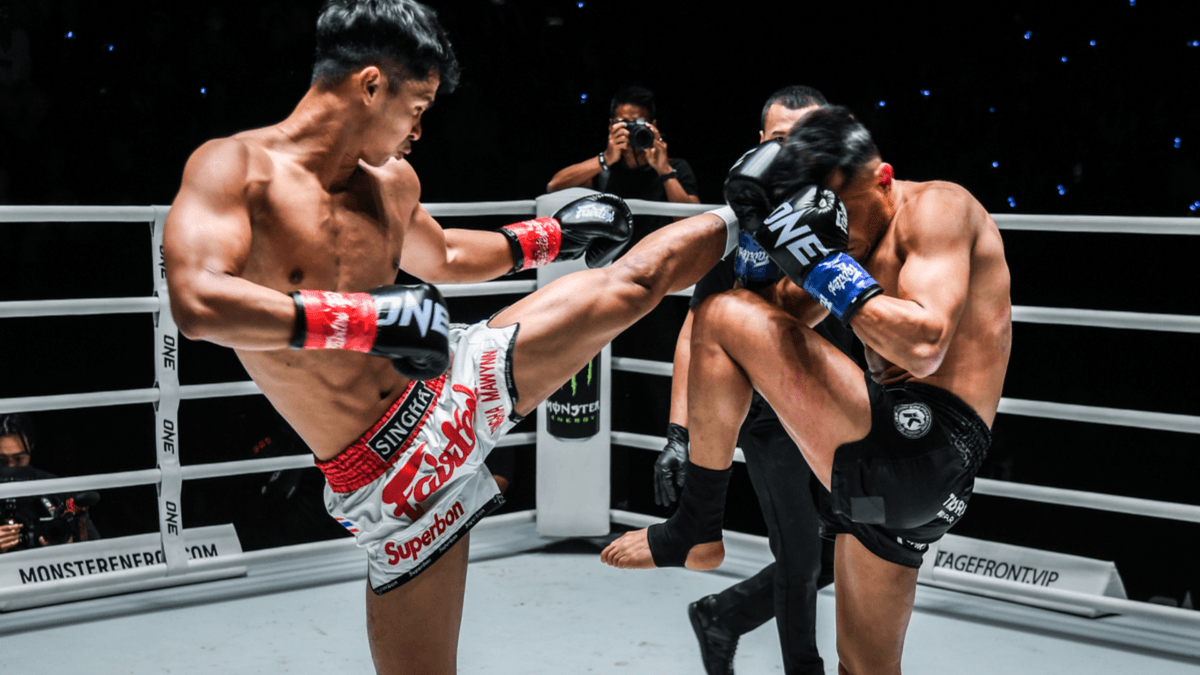
This combination introduces the transition from hands to kicks, which is where a lot of kickboxing's real character shows up compared to boxing. The punches set up the opening, and the kick capitalizes on it once your opponent's attention shifts toward defending their upper body.
What to focus on: maintain your balance through the transition. A common mistake is rushing into the kick before fully resetting your base after the cross, which throws off both power and accuracy. Slow this combination down until the transition between punches and kick feels smooth, then build up speed.
4. Low Kick-Cross-Hook
This combination flips the order, starting with a strike to the legs before moving back up to the hands. Low kicks are effective at disrupting an opponent's stance and stealing their attention downward, which opens the door for the punches that follow.
What to focus on: commit fully to the low kick without over-rotating and losing your base. Immediately reset your stance after the kick lands so you're ready to follow up with clean, balanced punches rather than recovering while trying to throw at the same time. This combination also teaches a habit worth carrying into every other exchange: strikes to different levels, low then high, are far more effective at creating openings than repeatedly attacking the same target.
5. Jab-Teep-Reset
Distance management is a defining part of kickboxing, and this combination trains exactly that. The jab checks distance and reaction, the teep (push kick) creates space or disrupts forward pressure, and the reset brings you back to a stable, ready position.
What to focus on: this combination isn't about power; it's about control and positioning. Many beginners rush the teep or throw it off-balance because they're focused on the kick itself rather than what comes immediately after it. Practicing a clean, controlled reset is just as important as the kick.
How to Actually Drill These
Learning a combination once in class isn't the same as drilling it. A few ways to build real repetition into your training:
- Shadowbox each combination slowly, focusing on form and balance before adding speed. This is where you catch and fix small mechanical errors before they become habits.
- Use pads with a partner or trainer once the movement feels natural on your own, so you get feedback on timing, distance, and power in a live setting.
- Repeat in sets, not just once. Throwing a combination five or ten times in a row, with a short reset between each, builds the muscle memory that a single correct rep doesn't.
- Mix in resistance gradually. Once a combination feels automatic at a slow pace, add a partner who reacts or moves, so your timing has to adjust to something less predictable than a stationary pad.
Mastering these five before moving on to more complex combinations gives you the foundation that makes everything else in kickboxing easier to pick up.
A realistic timeline helps here too. Most beginners need several weeks of consistent practice before all five combinations start to feel natural rather than deliberate. That's normal, and it's not a sign you're progressing slowly. Fighters who rush past this stage, chasing more combinations before the first five are solid, often end up with worse technique overall than those who stayed patient early on.
Why This Feels Different From Muay Thai
If you've trained or considered training Muay Thai alongside kickboxing, you may notice these combinations feel lighter and faster once you're moving through them consistently. That's a real, consistent difference between the two disciplines, not just a stylistic preference. We break this down in more detail in our comparison of what you actually notice after your first few classes of each, including why Kickboxing tends to feel more rhythm-driven while Muay Thai feels more grounded and physically demanding.
Neither approach is better. They simply train different qualities, and drilling these five combinations will give you a clear, hands-on sense of what makes Kickboxing's rhythm and flow distinct.
Start Drilling in Ubud
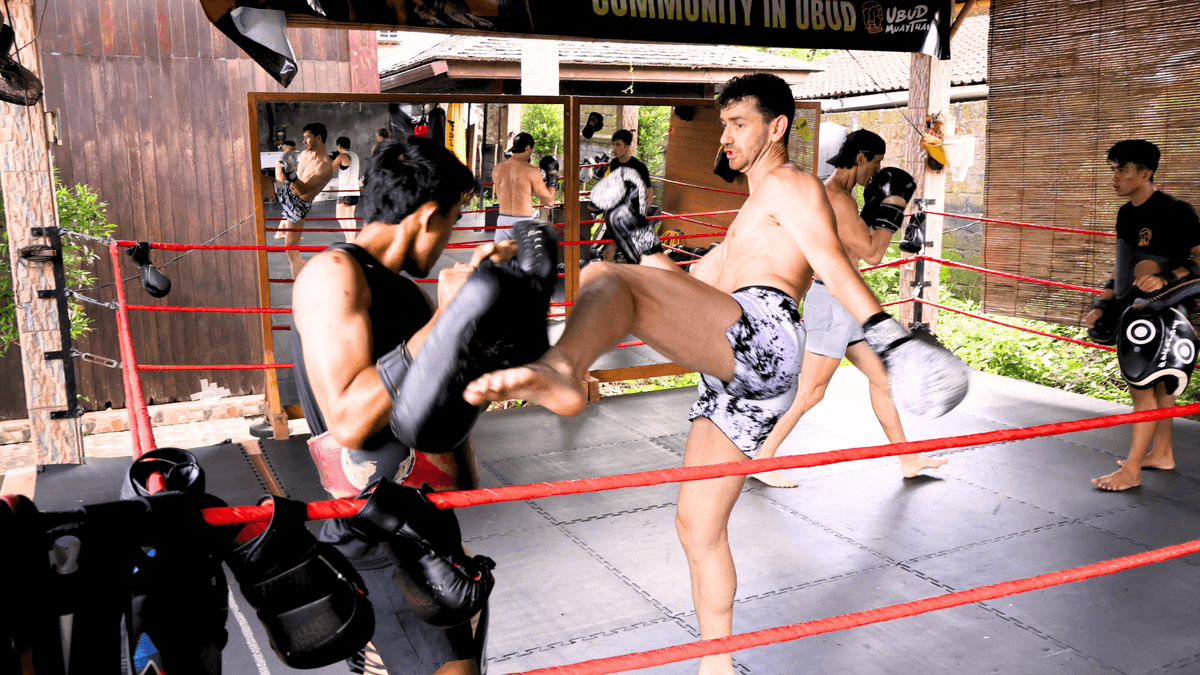
These five combinations are exactly the kind of foundation our Kickboxing classes are built around: structured repetition first, so that speed and power develop from clean mechanics rather than guesswork. Whether you're brand new to striking or coming from another discipline and want to sharpen your kickboxing specifically, starting with these fundamentals will serve you well.
If you're ready to start drilling, check our class schedule to find a Kickboxing session that fits your week, or browse our full class list to see how Kickboxing fits alongside our other training options here in Ubud, Bali.