

Sore muscles are part of training, but real injuries are almost always preventable. Here's how mobility, pacing, and a few overlooked habits keep you training consistently instead of sidelined.
Why Mobility Comes Before Power
It's tempting to chase power and speed from the very first week, but neither holds up without the mobility to support them. Tight hips limit how far a kick can travel before your body compensates with bad form, and restricted shoulders shorten your punching range long before fatigue ever becomes the limiting factor. A regular mobility routine built into your warm-up does more for long-term progress than any amount of extra pad rounds, simply because it removes the physical ceiling that's quietly capping your technique.
Hips specifically deserve focused attention in Muay Thai, since nearly every kick, knee, and pivot draws directly from hip rotation. Targeted hip mobility work — dynamic stretches, controlled leg swings, and rotational drills done consistently before training — translates almost immediately into cleaner kicks and more stable footwork. Skipping this step doesn't just limit your range of motion; it quietly shifts strain onto joints and connective tissue that were never designed to absorb it, which is exactly how minor tightness turns into an actual injury over time.

The Most Common Injuries and How They Actually Happen
Most injuries in Muay Thai don't come from freak accidents — they come from small, repeated mistakes that compound over weeks or months. Shin bruising from checking kicks incorrectly, shoulder strain from overextending punches, and lower back tightness from poor hip mechanics are among the most frequent complaints trainers hear from students at every level. A closer look at how to avoid and prevent common Muay Thai injuries breaks these patterns down individually, along with the specific technique corrections that eliminate each one at the source rather than just managing the symptom.
What makes these injuries frustrating is that almost all of them are avoidable with attention to form rather than a reduction in intensity. Training hard and training safely aren't in conflict with each other — the fighters who last years in the sport are usually the ones who treated technique correction as seriously as conditioning from day one.
If You Keep Getting Hurt, This Is Usually Why
For students who find themselves dealing with one nagging issue after another — a tweaked ankle, then a sore wrist, then tight hamstrings — the pattern is rarely bad luck. It's almost always a combination of insufficient warm-up, technique breakdown under fatigue, or simply progressing faster than the body's connective tissue can adapt.
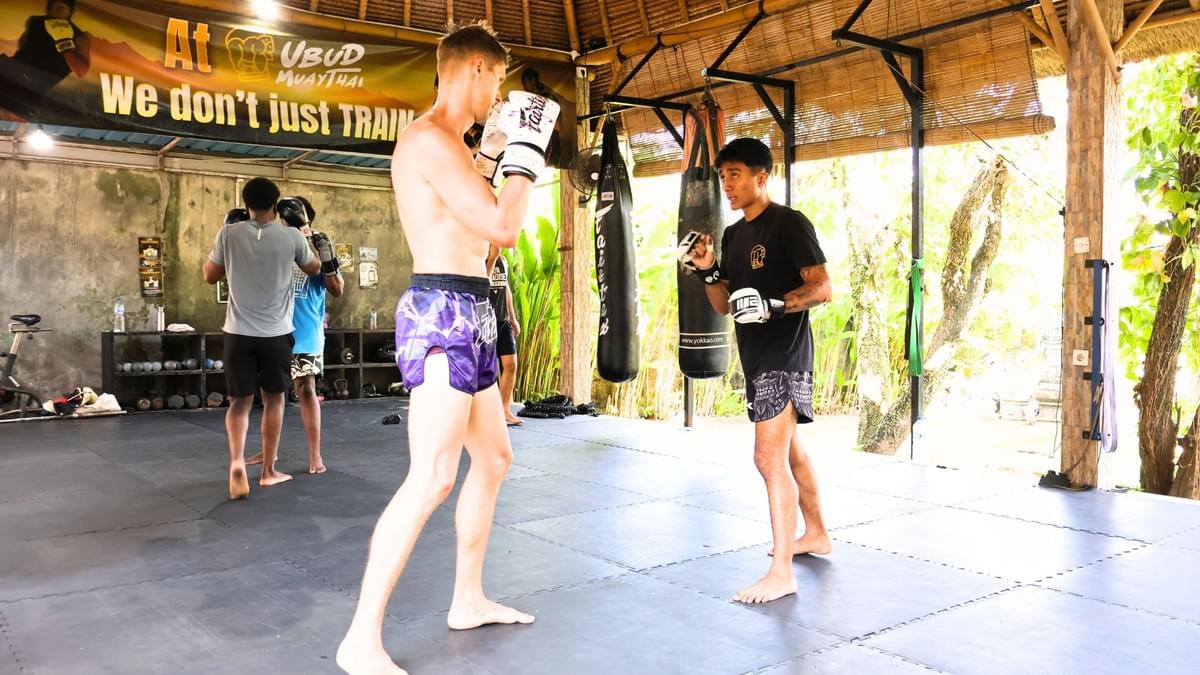
Understanding why you keep getting injured in Muay Thai or kickboxing and how to avoid it usually reveals one or two specific habits driving the whole cycle, rather than dozens of unrelated problems.
Breaking that cycle typically comes down to slowing down just enough to rebuild the fundamentals that got skipped early on — stance, guard positioning, and controlled movement — before adding intensity back in. It's a frustrating adjustment in the short term, but it's almost always faster than continuing to train through repeated setbacks.
Wrist Pain Isn't Something to Push Through
Wrist pain is one of the most common — and most ignored — complaints among boxers and Muay Thai students alike, largely because it develops gradually rather than announcing itself with a single sharp injury. Poor wrapping technique, incorrect punching form, or striking with a bent wrist instead of a straight, aligned fist are the usual culprits, and each one places repeated stress on a joint that has very little cushioning to begin with. A closer look at how to heal wrist pain from boxing covers both the recovery side and the technique fixes that prevent it from returning once it clears up.
Ignoring early wrist discomfort in favor of continuing to hit pads or bags at full power is one of the fastest ways to turn a minor issue into a lingering one that affects training for months. Addressing it early — better wraps, corrected form, a few days of rest — almost always resolves it faster than pushing through ever could.
Fatigue Is an Injury Risk, Not Just a Fitness Issue
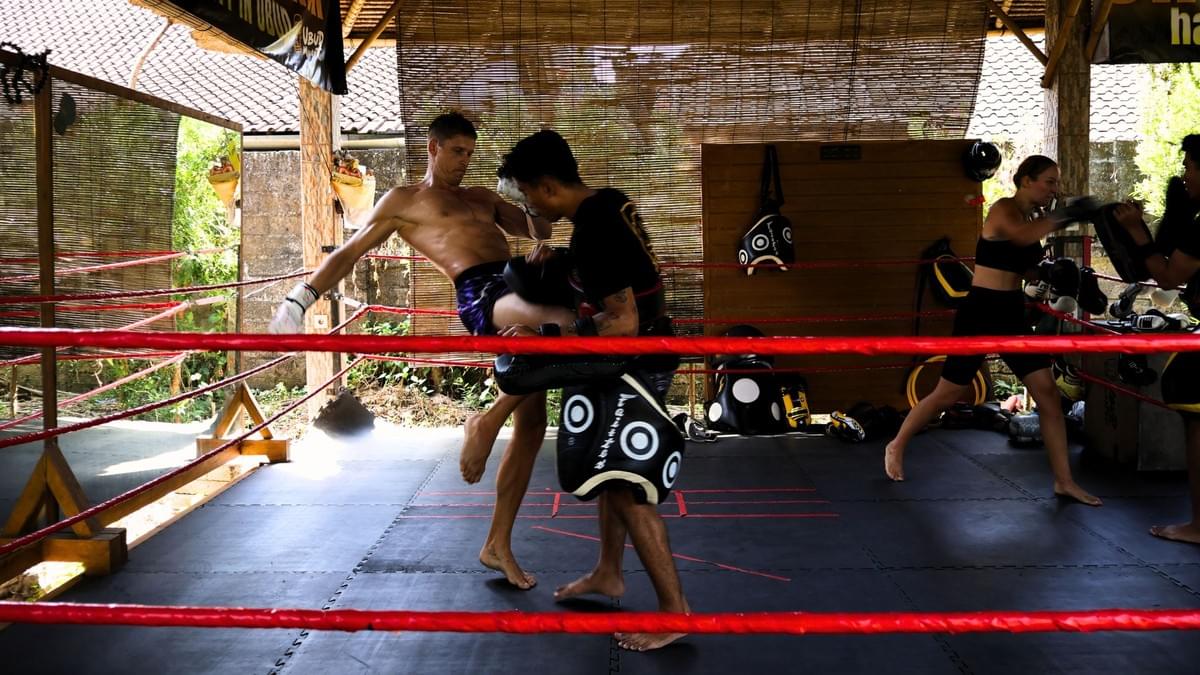
It's easy to think of getting tired quickly as purely a conditioning problem, but fatigue is one of the biggest hidden contributors to injury in striking sports. As the body tires, form breaks down first in the places you'd least expect — a dropped guard, a kick thrown with a bent rather than extended leg, or a punch landing with a bent wrist. Every one of those small breakdowns is exactly how avoidable injuries happen in otherwise healthy, well-trained bodies.
If you find yourself gassing out far earlier than training partners at a similar experience level, it's worth looking at why you get tired so fast in training and how to fix it rather than simply pushing through it. Often the fix isn't more conditioning work at all — it's breathing pattern, pacing within rounds, or simple dehydration, all of which are far easier to correct than they are to train around indefinitely.

Shin Conditioning Takes Time, Not Shortcuts
Checking and throwing kicks both put direct stress on the shins, and this is an area where impatience causes more harm than almost anywhere else in training. Shin conditioning is a gradual adaptation — bone density and tissue toughness build up over months of controlled exposure, not through repeatedly kicking as hard as possible on the bag or intentionally checking kicks without proper technique in an attempt to "toughen up" faster. Rushing this process is one of the more common ways beginners end up with painful, swollen shins that keep them off the mat for weeks at a time.
The safer approach is steady, moderate exposure combined with proper checking technique — meeting an incoming kick with the correct angle of the shin rather than absorbing it flat, and allowing adequate recovery time between hard sessions. Ice and rest after a hard sparring or bag session matter more here than most students realize, since shin bruising that isn't given time to heal compounds quickly into a much longer-term problem.
Building a Simple Recovery Routine
None of this requires an elaborate recovery protocol to be effective. A short mobility routine before training, a few minutes of stretching after, staying properly hydrated, and paying attention to wrist and shin conditioning over time will prevent the overwhelming majority of injuries that sideline students unnecessarily. The goal isn't to eliminate all soreness — that's a normal part of training — but to catch the small warning signs before they become the kind of injury that takes weeks to fully recover from.
Consistency in this area compounds the same way skill does. A student who spends five minutes on hip mobility before every class will, over months, move more efficiently and get injured less often than one who skips it entirely in favor of jumping straight into pad work. It's an unglamorous habit, but it's one of the most reliable predictors of who's still training a year from now.
Sleep and hydration deserve more credit here than they usually get. Connective tissue repairs itself during rest, not during training, which means a student who trains hard but sleeps poorly is often working against their own recovery without realizing it. Similarly, mild dehydration reduces joint lubrication and muscle elasticity, making minor strains and cramping far more likely during an otherwise normal session. Neither of these fixes costs anything or requires extra gym time — they simply require treating recovery as part of training rather than something separate from it.

Training Smart Is What Keeps You Training at All
The fighters who train for years, not just months, usually aren't the ones who trained the hardest in any single session — they're the ones who paid attention to the small signals their body was sending and adjusted before those signals became real setbacks. Mobility, technique correction, and honest pacing aren't separate from progress; they're what makes long-term progress possible at all.
If you're dealing with a nagging issue or just want a trainer to look at your form before it becomes a problem, you can check the schedule and book a session to get it addressed directly.