

You train regularly, you show up, you’re actually trying to improve—and still, something keeps interrupting the process.
It’s not always a big injury. Most of the time, it starts small. A sore knee that doesn’t fully go away. A shoulder that feels tight every time you punch. Something you think will pass, but then it comes back again in the next session.
After a while, it stops feeling random.
If you keep getting injured, it’s usually not bad luck, and it’s rarely because the sport is “too hard.” It’s almost always coming from the way your body is being used in training, and more importantly, how that stress builds over time.
Injuries Build Before You Notice Them
Very few injuries come from one moment. They build quietly through repetition.
You train while slightly fatigued, your technique slips a bit, your body compensates without you realizing it, and you repeat that same pattern again and again. Nothing feels serious at first, so you keep going.
Then one day, it catches up.
By the time you feel real discomfort, it’s already been developing across multiple sessions. That’s why resting for a day or two sometimes doesn’t fix it—because the issue isn’t just what happened that day, it’s what’s been happening consistently.
Small Technique Issues Turn Into Bigger Problems
When people think about injuries, they often think about impact—getting hit, landing wrong, something obvious.
But most of the time, it’s not impactful. It’s an inefficient movement.
If your stance isn’t stable, your knees take more pressure than they should. If your balance is off, your hips and ankles work harder to correct it. If your punches are forced instead of relaxed, your shoulders tighten and fatigue faster.
None of this feels dramatic in one round, but across multiple rounds and multiple sessions, your body starts carrying more load than it’s designed to.
This is why building a proper base matters early on. When your lower body is stable, everything else becomes easier to control. If that part is still weak, you’ll always be compensating somewhere else. Working on your foundation, even outside of class, makes a difference—these Muay Thai leg exercises are a good place to start.
Going Too Hard Too Early Is a Common Pattern
This one shows up a lot, especially when you’re motivated.
You start training, you enjoy it, and you want to improve quickly. So you train more often, you push harder, and you try to match the pace of people who’ve been doing it longer.
Your effort level increases fast, but your body hasn’t adapted yet. That gap is where most problems start.
It’s not that intensity is bad. It’s that your body needs time to build the strength, coordination, and tolerance for that intensity. If you skip that phase, you’re forcing your body to keep up instead of letting it adapt.
Fatigue Changes the Way You Move
Another thing that’s easy to miss is how much fatigue affects your movement.
At the start of training, your technique is usually more controlled. Your stance is more stable, your timing is better, and your reactions are sharper.
As you get tired, those things shift.
Your guard drops slightly, your balance becomes less reliable, and your movements become less precise. You’re still trying to do the same techniques, but with less control behind them.
That’s where strain happens.
If you notice that discomfort usually shows up later in training, it’s not random—it’s your body trying to do the same work with less control. This is also tied to how quickly you burn through your energy in the first place.
Managing your energy isn’t just about lasting longer; it’s also about moving better for longer.
General Fitness Doesn’t Fully Prepare You
A lot of people come into training already “fit” and still end up dealing with recurring issues.
That’s because Muay Thai and kickboxing place very specific demands on the body.
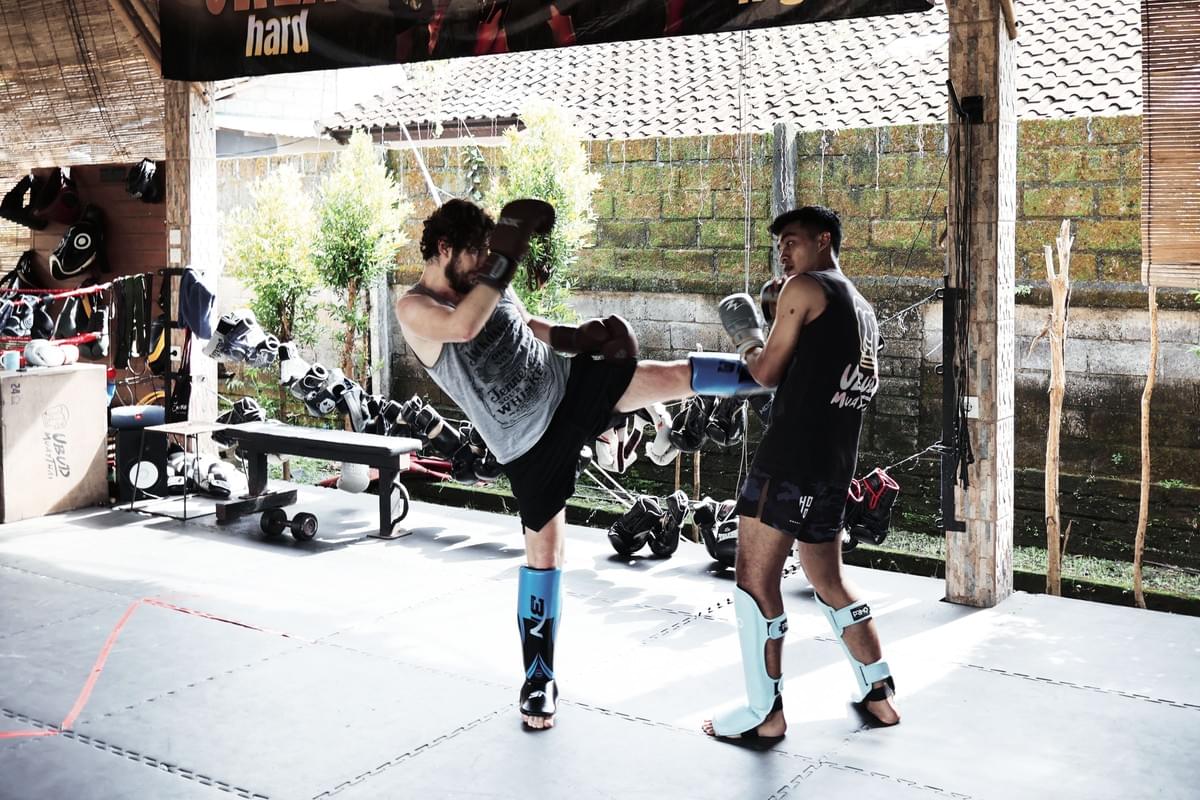
You’re not just moving—you’re absorbing impact, stabilizing your joints, and repeating explosive movements under fatigue. If your body isn’t conditioned for that, the stress doesn’t disappear; it just gets absorbed in the wrong places.
Strength and conditioning help fill that gap, not in a general way, but in a way that supports how you actually move during training.
Ignoring Early Signs Is What Turns It Into an Injury
Almost no one gets injured without warning. The signs are usually there, just easy to ignore.
A slight tightness that keeps coming back. A movement that feels a bit off. A small discomfort that you assume will go away on its own.
The problem is, if nothing changes, it usually doesn’t go away—it builds.
A lot of people keep training the same way and hope it resolves itself. That’s how something manageable turns into something that forces you to stop.
If you’re not sure how to read those signals, this breakdown helps you understand what to watch for.
Recovery Is Part of Staying Consistent
Training is only one part of the process. The other part is what happens after.
If your body doesn’t recover properly, fatigue carries into the next session. That affects your movement, your timing, and your ability to handle impact. Over time, that builds into strain.
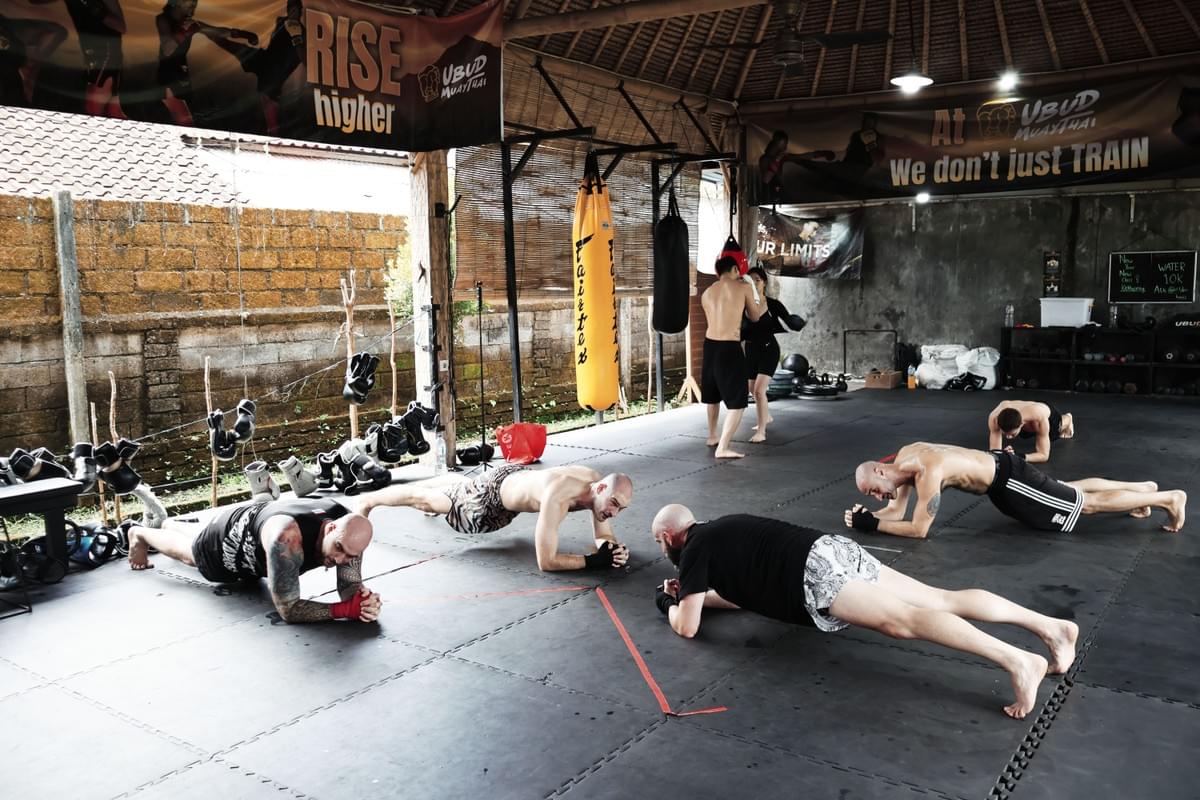
Recovery doesn’t need to be complicated, but it does need to be intentional. Giving your body enough time between harder sessions and not pushing intensity every single time allows you to stay consistent instead of constantly stopping and restarting.
Reality Check
If you keep getting injured, it’s usually not because the sport is too intense.
It’s because something in the way you’re training isn’t aligned yet—whether it’s your technique, your pacing, or how you’re responding to fatigue.
Once you adjust that, injuries don’t disappear completely, but they stop being a constant interruption.
And that’s the difference between training occasionally and actually progressing.