

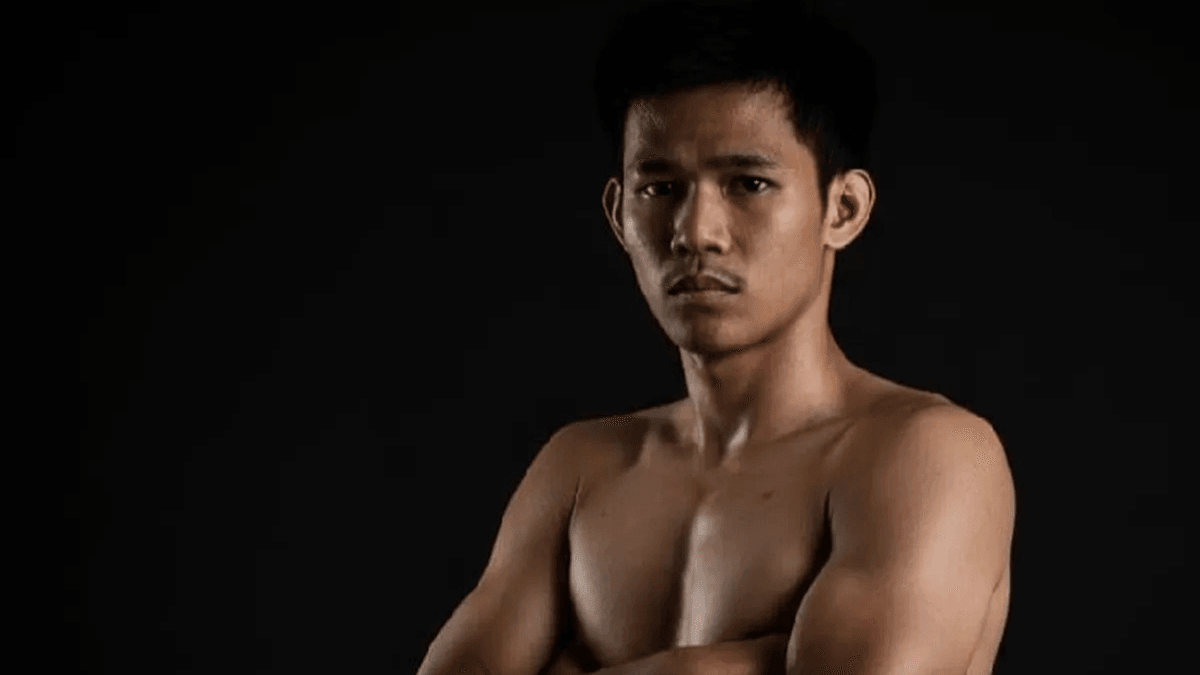
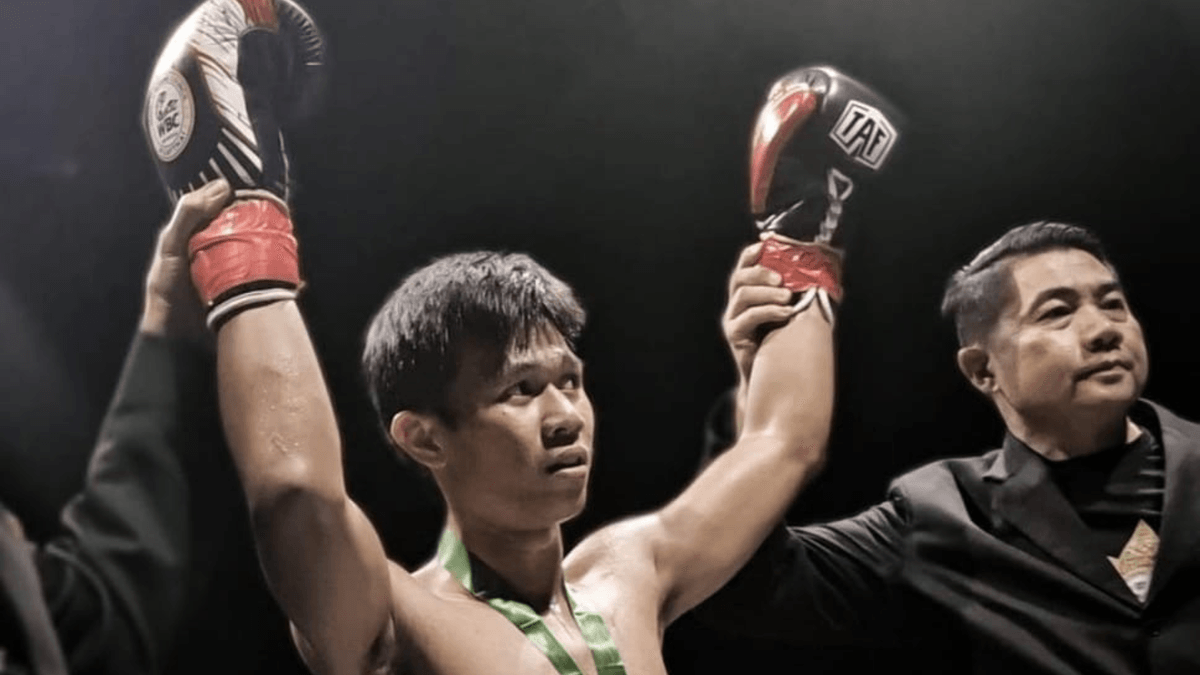
In November 2024, in front of a home crowd in Jakarta, a 19-year-old fighter from Purwakarta, West Java, ended a fight with a single, precise elbow strike, knocking out fellow Indonesian Rahman Husin in the second round. That win made Rafly Shakur the first-ever WBC Muay Thai champion from Indonesia, a historic moment for the sport in this country and a name worth knowing if you're training anywhere in the archipelago, Bali included.
Shakur's story is still being written. He's since broken into the WBC Muay Thai world top 20 rankings and continues competing into 2026, including a fight against fellow Indonesian Restu Mulia earlier this year, but his rise offers a useful case study in both the path from amateur to national champion and the specific technique, the elbow, that's carried him there.
What makes his rise notable isn't just the title itself. It's the age at which he reached it and the relatively short window between his amateur career and his first national belt. Most fighters who reach a national title have spent years working through the amateur and lower professional ranks before a signature win puts their name on the map. Shakur's timeline compressed that process, largely on the strength of one specific tool in his arsenal.
From Purwakarta to Indonesia's First WBC Title
Rafly Shakur, known by the nickname "PhenomBoy," was born in Purwakarta, West Java, in January 2005. He fell in love with Muay Thai at nine years old and built his foundation at Phenom Muay Thai Camp, the gym that shaped the techniques he's now known for.
His path wasn't a fast track to the top. Like most fighters who reach a national title, Shakur came up through the amateur ranks first, building experience fight by fight before turning professional. By the time he stepped in against Rahman Husin for the WBC Muay Thai Indonesia national welterweight title in November 2024, he was still only 19, making him one of the youngest professional Muay Thai fighters in his weight class in the country.
The fight itself didn't go the distance. Shakur closed it out in the second round with a clean, powerful elbow strike, the kind of finish that put both his name and his signature weapon on the map at the same time.
Beating a fellow Indonesian in front of a home crowd, rather than an imported opponent, also mattered for how the win landed nationally. It wasn't framed as an Indonesian fighter finally competing at an international level against outside competition. It was two Indonesian fighters, trained largely within the country's own developing Muay Thai scene, competing for a world-federation title on home soil, with Shakur coming out on top.
The Elbow Techniques Behind His Rise
Two elbow techniques in particular have become associated with Shakur's fighting style: Sok Phung, a pushing elbow, and Kradot Sok, a jumping elbow. Both are advanced applications of one of the eight limbs that make Muay Thai the striking system it is. If you're still building familiarity with the fundamental techniques used in the sport, the elbow is one of the four core weapons worth understanding early, even before attempting variations like these.
Sok Phung (Pushing Elbow)
The pushing elbow drives forward in a straight line, similar in trajectory to a jab but delivered with the point of the elbow instead of the fist. It's typically used at close range, often as an opponent is closing distance or already inside striking range, making it difficult to see coming and hard to fully defend against once it's launched.
How to work toward it: Start by drilling the mechanics slowly on pads, focusing on keeping your elbow tight to your body until the last moment before extension. Precision matters far more than power here, since the technique relies on catching an opponent at exactly the right distance rather than overwhelming them with force. Beginners often make the mistake of winding the elbow up before throwing it, telegraphing the strike well before it lands. The pushing elbow works precisely because it doesn't need a wind-up; the power comes from hip rotation and forward drive, not from a bigger backswing.
Kradot Sok (Jumping Elbow)
The jumping elbow adds a hop or small jump to generate extra height and downward force, typically aimed at the top of the head or the crown, where a standard elbow strike can't easily reach. It's a higher-risk technique, since leaving the ground briefly reduces balance and defensive options, which is part of why it's more commonly seen from advanced or professional fighters rather than beginners.
How to work toward it: This is a technique to build toward gradually, and only after your basic elbow mechanics and balance are solid. Shadow the jump and elbow motion without a partner first, focusing on a controlled landing and quick reset, before ever adding contact or resistance. Because it briefly takes both feet off the ground, timing is everything; throwing it too early or too late leaves you off-balance and exposed with no easy way to recover mid-air. Most coaches introduce it only once a fighter has reliable footwork and enough ring awareness to sense the right moment without hesitating.
Many elbow techniques, including both of these, become especially effective at close range, which is why they show up so often in clinch exchanges. If you want to build the positioning that sets these strikes up, our guide to Muay Thai clinch control covers the posture and balance fundamentals that come before any elbow strike from that range.
Why a Story Like This Matters Close to Home
Indonesia doesn't yet have the deep, generational Muay Thai infrastructure of Thailand, but stories like Shakur's are part of how that changes. A homegrown fighter breaking into the WBC Muay Thai world rankings gives Indonesian students, including anyone training here in Ubud, a concrete example that the path from local gym to internationally recognized fighter is realistic, not just something that happens elsewhere.
It also reflects something true about the sport more broadly: elbow techniques like Shakur's aren't reserved for fighters training in Thailand from childhood. They're built the same way anywhere, through structured drilling, patient progression, and coaches who know how to build up to advanced technique safely rather than rushing it.
Bali's own Muay Thai scene sits in a similar position to Purwakarta's a decade ago: growing, increasingly organized, and producing fighters and dedicated hobbyists who train seriously without necessarily having generations of local tradition behind them yet. Stories like Shakur's are a reminder that the gap between a developing scene and a nationally recognized one closes through exactly this kind of consistent, technical training, not through shortcuts.
Build Toward Techniques Like These in Ubud
You don't need to be aiming for a title to benefit from training the way a rising champion does. Elbow technique, like every other tool in Muay Thai, is built through the same fundamentals: correct mechanics first, combinations second, and advanced variations only once the basics are second nature. If you're still working on the fundamentals that everything else builds from, this beginner's guide to Muay Thai is a good starting point before layering in strikes like the ones covered here.
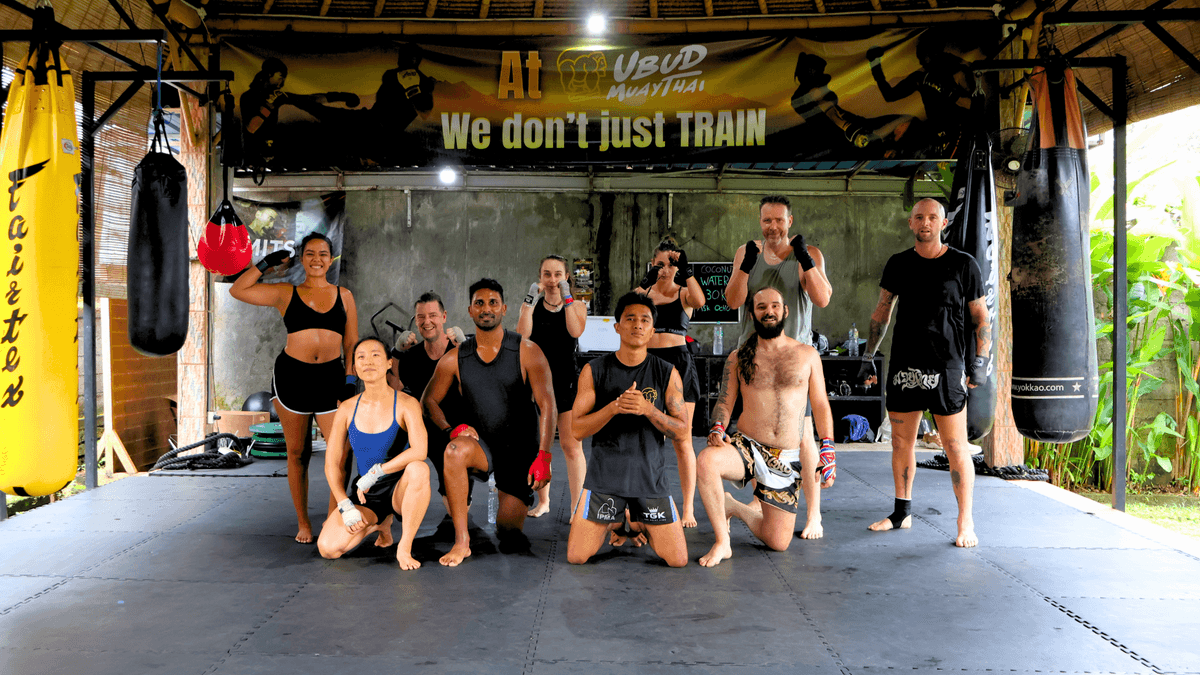
At Ubud Muay Thai, students train the full range of Muay Thai's eight limbs under experienced trainers, building from fundamentals toward the kind of technical precision that put Rafly Shakur on the map. If you're ready to start, check our class schedule to find a session this week, or browse our full class list to see where elbow and clinch training fit into your path. Whether you're chasing a title or just chasing better technique, the training path starts the same way, here in Bali.