

On Friday, August 14, ONE Fight Night 46 lands at Lumpinee Stadium in Bangkok, with a card spanning MMA, Muay Thai, kickboxing, and grappling. Whenever a Muay Thai bout is on the card, there's a good chance someone attempts a head kick — and a good chance it doesn't land clean on the first try.
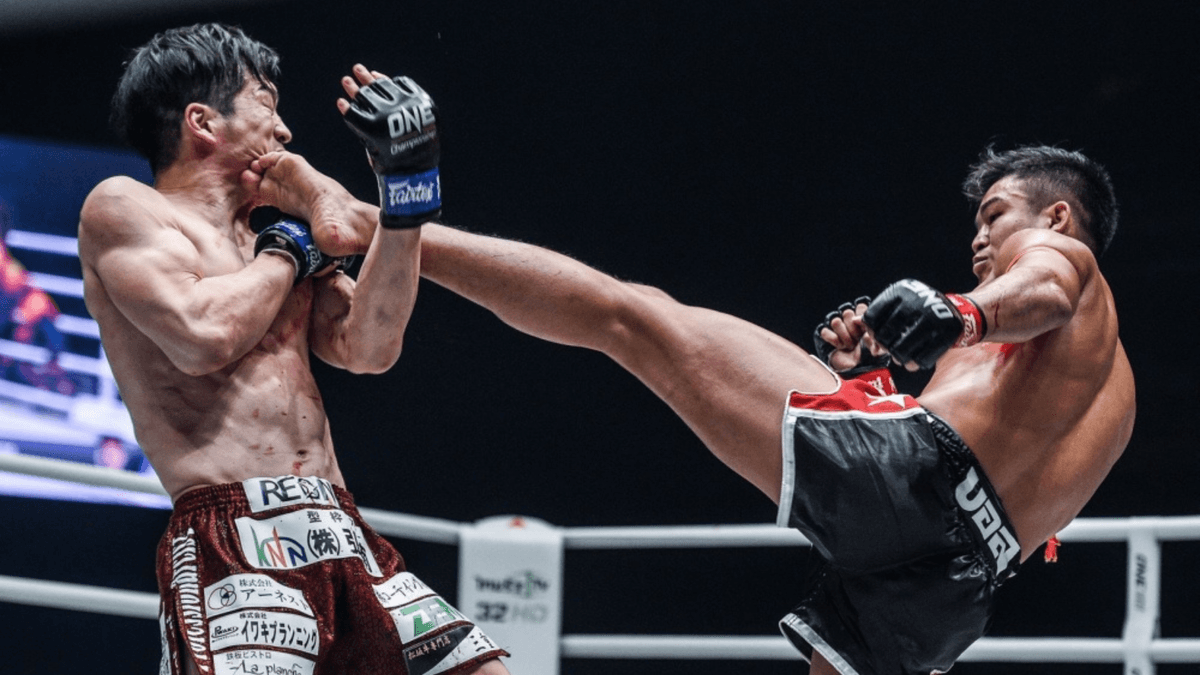
That's normal. The head kick is one of the most recognizable techniques in Muay Thai: powerful, visually explosive, and capable of ending a fight in an instant. It's also one of the hardest strikes to land cleanly, whether you're watching it from ringside or throwing it yourself in training.
Most beginners throw the kick straight at the head without preparation, and it gets blocked, caught, or avoided. Experienced fighters rarely do this. Instead, the kick almost always follows a setup — a small sequence of actions that shifts the opponent's attention or balance first. Once you know what to look for, you'll start noticing these setups in every fight you watch, including this one.
If you're still building the core striking tools of Muay Thai, it helps to get familiar with the fundamental techniques used in the sport before diving into setups like these.
The Real Purpose of a Head Kick Setup
A setup creates an opening. Rather than forcing a kick through a defended guard, fighters manipulate their opponent's reactions first — through punches, body attacks, or movement that shifts their positioning.
This is why head kicks often look sudden in a fight. The kick itself takes a split second, but the setup may have started several exchanges earlier. Many of these setups build directly out of basic Muay Thai combinations, so watch the punches leading into a kick as closely as the kick itself.
Common Head Kick Setups You'll See on August 14
Punch to Head Kick
The most reliable setup starts with a punching combination. A jab or jab-cross draws the opponent's guard forward and their focus onto defending punches. Once their attention shifts away from kicking range, the head kick follows immediately — and because punches travel in a straight line while kicks arrive from a wider angle, this combination often catches fighters off guard even at the highest level.
Body Kick Conditioning
Fighters who repeatedly attack the ribs train their opponent into a habit: lowering the elbow to block the next kick. Once that defensive reflex is established, the same motion can be redirected upstairs. This is one of the more patient setups, and it's common in professional fights where fighters build their attack gradually across rounds rather than forcing something early.
Missed Punch Entry
Sometimes the opening comes from movement rather than a direct strike. If a fighter throws a punch and the opponent leans back to avoid it, their balance shifts for a moment — just long enough for a quick pivot and head kick to land while they're recovering.
Angle and Footwork Setup
Stepping slightly outside the opponent's lead foot changes the angle of attack entirely. From this position, a head kick can travel around the guard instead of straight into it. Good footwork frequently creates openings that raw power alone cannot.
Key Technical Details Behind a Clean Head Kick
Landing a head kick consistently takes more than flexibility. A few technical elements have to work together every time:
Hip rotation generates the power behind the kick — without it, the strike loses both speed and impact.
Balance on the support leg keeps the kicking leg stable as it travels upward. Lose that balance, and accuracy drops along with recovery speed.
Active hands protect against counters while the kick is in motion and keep defensive awareness intact.
Vision and timing let experienced fighters read their opponent's reaction before committing — this is often the difference between a kick that lands and one that gets checked.
If you're still working on the fundamentals that support these details, this beginner's guide to Muay Thai covers the stance and balance work that everything else builds on.
Common Mistakes When Throwing Head Kicks
Most missed head kicks come down to a handful of habits:
- Throwing the kick without a setup — attempting it cold makes it easy to block or avoid entirely.
- Leaning too far backward — this reduces both balance and power.
- Dropping the guard — lowering the hands mid-kick exposes the head to a counter.
- Overcommitting — swinging too hard and losing balance if the kick misses.
Watch for these on fight night too — even high-level fighters occasionally fall into them under pressure, and it's often what turns a near-miss into a counter for the other corner.
How Head Kick Setups Are Trained in Class
In a structured Muay Thai class, setups are built through drills rather than random attempts:
- Padwork combinations, where trainers call sequences that finish with a head kick.
- Controlled sparring, where fighters practice creating openings instead of forcing attacks.
- Shadowboxing setups, where athletes visualize reactions and build rhythm without a partner.
Through repetition, fighters learn to recognize when a real opportunity for a head kick has appeared — the same recognition you're training your eye for as a viewer watching ONE Fight Night 46.
Watch It Live, Then Come Train It
Whether or not a head kick lands clean on August 14, the setup behind it will still be there to spot if you know what you're looking for. And if watching makes you want to feel what that setup takes to build, that's exactly what we train for.
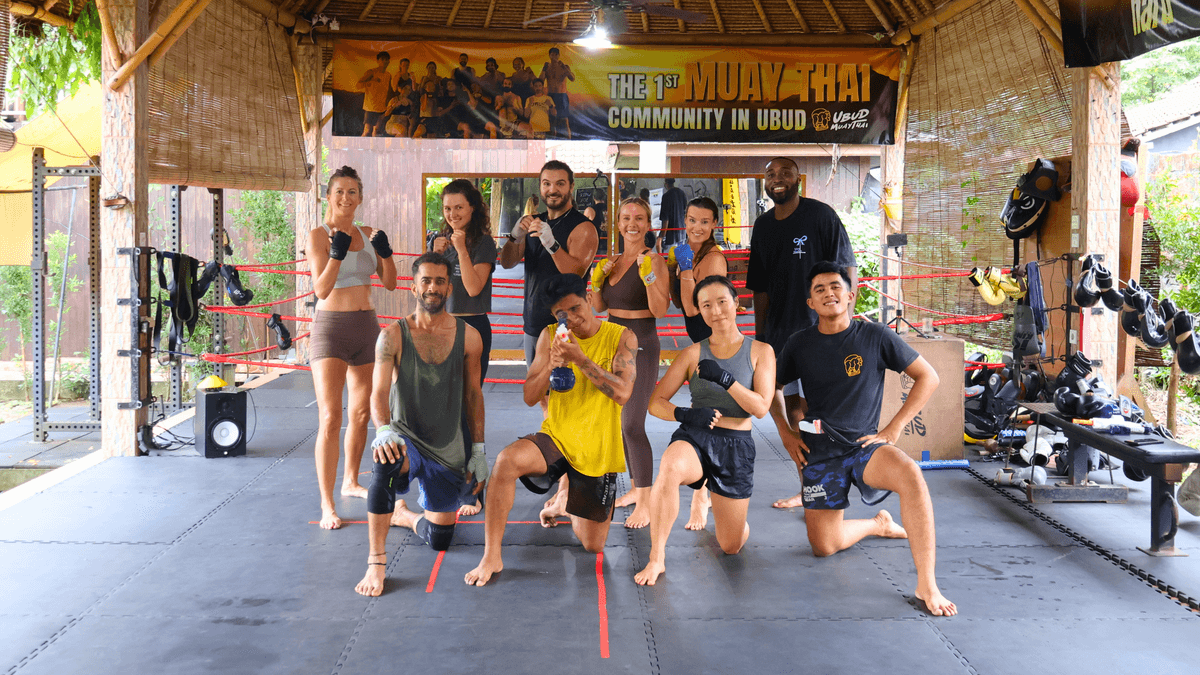
At Ubud Muay Thai, students work through padwork combinations, controlled sparring, and setup drills with experienced trainers, in an open-air environment suited to complete beginners and fighters sharpening advanced technique alike.
Check our class schedule to find a session that fits your week, or browse our full class list to see where head kick training fits into your training path. Whichever setup you're working on, you can book your spot here and start training it in Ubud, Bali.