

A lot of people train Muay Thai, boxing, or kickboxing regularly, but don’t really think about strength training.
Or they do, but it’s random. A bit of gym work here and there, without knowing if it actually helps their training.
Then at some point, it shows.
Kicks don’t feel stable. Punches lose power after a few rounds. Balance becomes inconsistent. And under fatigue, everything starts to break down faster than it should.
That’s usually when strength training starts to matter.
Not as a separate thing, but as support for how you move, strike, and recover during training.
Strength Training Isn’t About Getting Bigger
This is where a lot of people get it wrong. Strength training for combat sports isn’t about building size. It’s about building control.
You need strength to:
- stay balanced when you strike
- absorb impact without losing position
- repeat movements without breaking form
If your body can’t support those things, your technique starts to fall apart under pressure.
That’s why strength training matters—not for how you look, but for how you move.
Start With Your Lower Body
Most of your power comes from the ground.
Every punch, every kick, every movement starts from your base. If your legs aren’t strong and stable, everything above has to compensate.
That’s when you lose balance, waste energy, and increase the risk of injury. Simple exercises like:
- squats
- lunges
- step-ups
…build the kind of strength that carries directly into training.
If you want something more specific to Muay Thai, this guide breaks down how to build that base properly.
Don’t Ignore Your Core
Core strength is not just about abs. It’s about how well your body transfers force.
When you throw a punch or a kick, your core connects your upper and lower body. If that connection is weak, you lose power and control.
You’ll also notice it more when you get tired. Your posture drops, your balance shifts, and your movement becomes less efficient. Basic exercises like:
- planks
- rotational movements
- controlled core work
…help keep your movement stable, especially under fatigue.
Upper Body Strength Supports Control
For boxing and kickboxing, especially, your upper body takes a lot of repetitive load.
Punching over and over, holding guard, absorbing impact—it adds up. If your shoulders and arms aren’t conditioned for it, you’ll feel it quickly. Not just in fatigue, but in how your technique changes.
Punches become forced, shoulders tighten, and your movement loses flow.
Strengthening this area doesn’t mean lifting heavy all the time. It means building endurance and control so your upper body can keep up with the rest of your movement.
Explosive Training Makes a Difference
Strength on its own is not enough. You also need to be able to use it quickly. That’s where explosive training comes in.
Movements like jumps, quick directional changes, and short bursts of effort train your body to generate power fast, not just hold it.
This is especially useful for improving how you move between strikes and how you recover between exchanges.
If you’re not sure where to start, this breakdown on plyometric training explains how to build that explosiveness properly.
Balance and Stability Are Often Overlooked
A lot of strength work focuses on straight-line movement.
But in training, you’re constantly shifting your weight, adjusting your stance, and reacting to movement.
If your balance isn’t solid, you spend more energy correcting yourself than actually executing the technique.
That’s why exercises that challenge your stability matter.
Even simple things like controlled single-leg work or slow, balanced movements can improve how stable you feel during training.
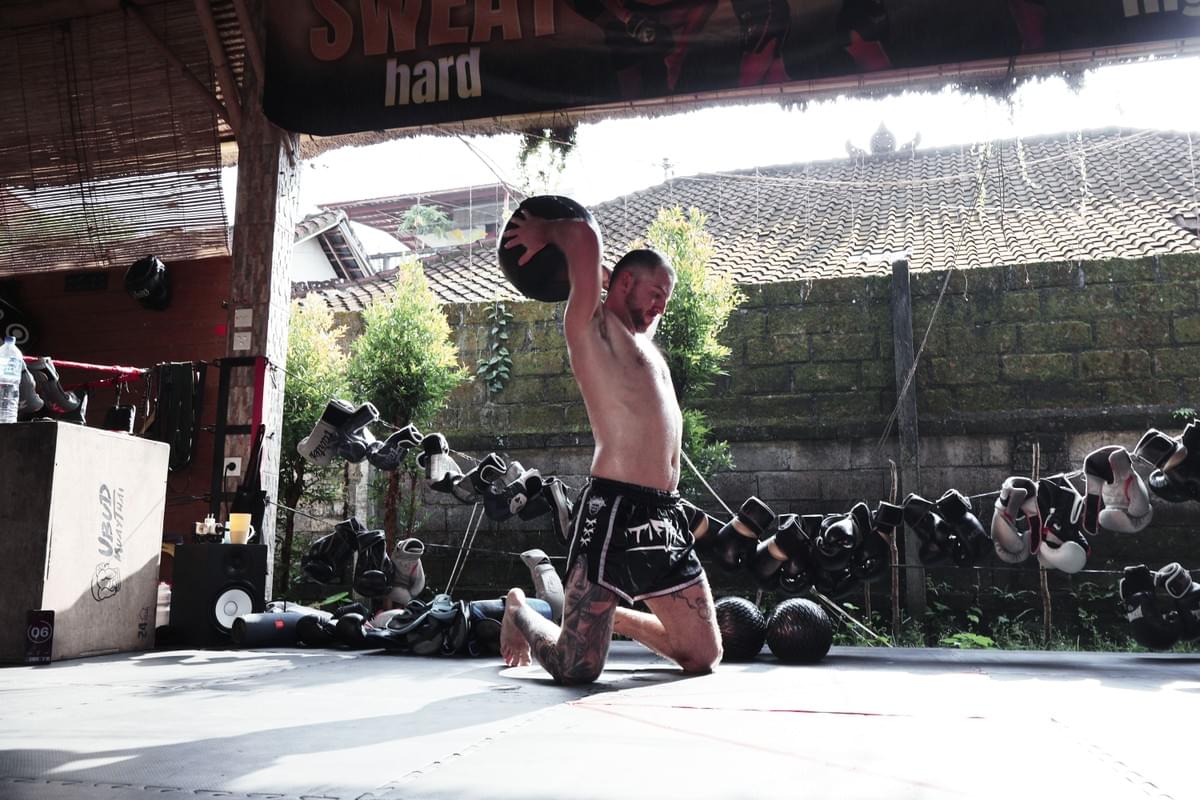
How to Fit Strength Training Into Your Routine
You don’t need to train strength every day. In fact, doing too much can make your main training worse. Start with:
- 2–3 sessions per week
- focus on quality over volume
- keep it simple and consistent
The goal is not to exhaust yourself. It’s to support your main training so you can move better and last longer.
What Happens When You Get It Right
When your strength training starts to support your fighting training, the difference is noticeable.
You feel more stable when you move. Your strikes feel more controlled. You don’t lose your form as quickly when you get tired.
And most importantly, you recover better between rounds. That’s when your training starts to feel more consistent, instead of something that depends on how you feel that day.
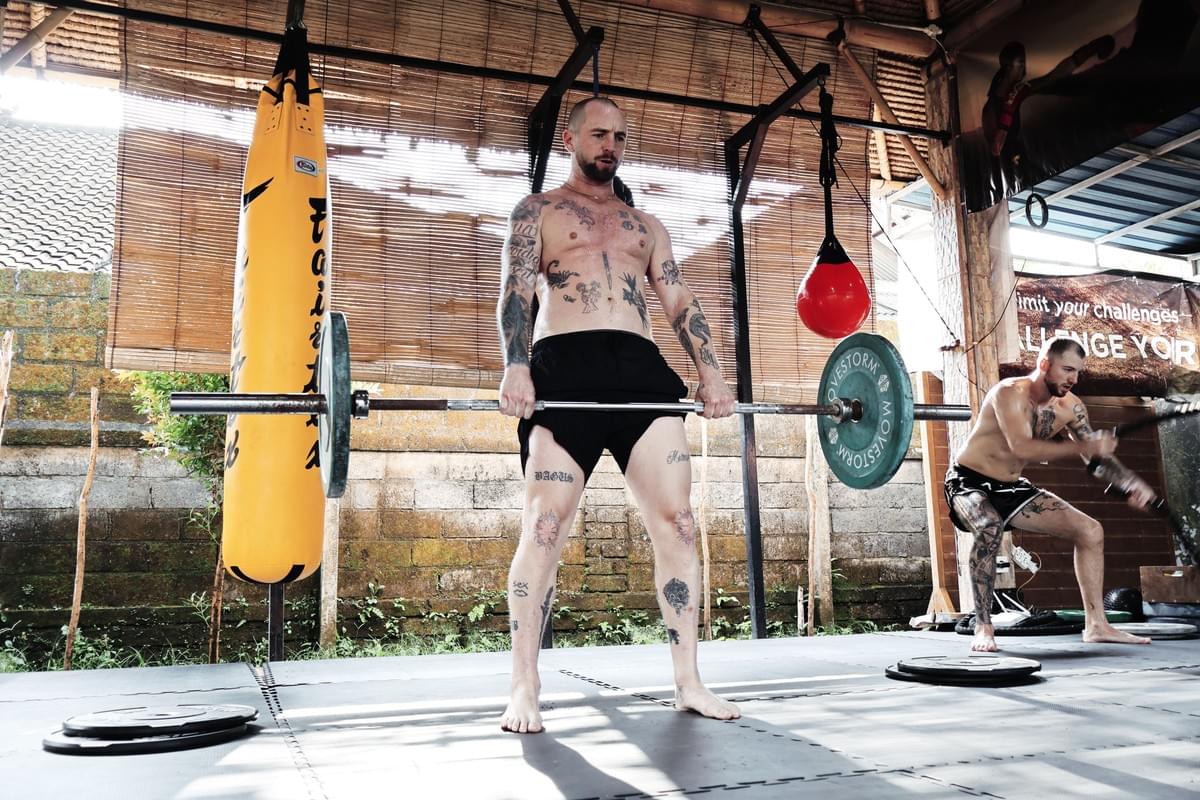
Training Perspective
You don’t need a complicated program to get stronger for Muay Thai, boxing, or kickboxing.
You just need the right kind of strength, built in a way that supports how you actually train.
If it helps your balance, your control, and your ability to stay consistent, it’s doing its job. Anything else is just extra.