

Indonesian talent is increasingly making its way onto the world's biggest combat sports stages, and Delfan Dwi Satrio is one of the names worth watching as that pipeline grows.
Who Is Delfan Dwi Satrio?
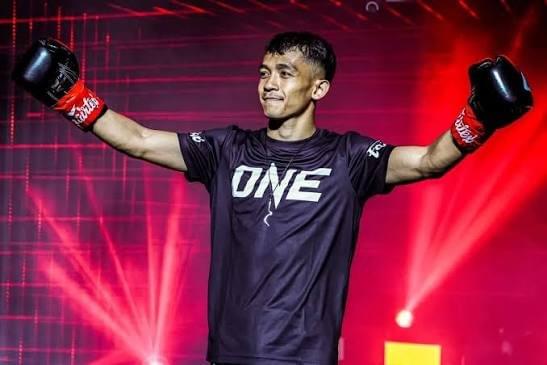
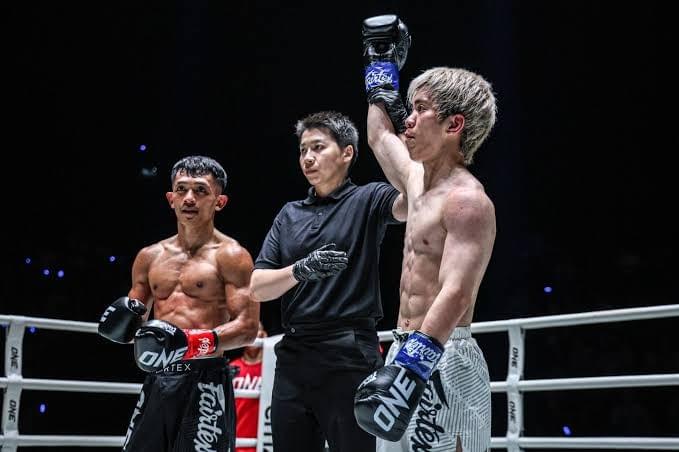
Delfan Dwi Satrio is a 22-year-old Indonesian kickboxer competing under ONE Championship, the world's largest martial arts organization. He trains out of O.Sansuk Muay Thai Gym in Pattaya, Thailand — a well-established base for fighters looking to sharpen their game against the deep pool of talent Thailand's gym scene consistently produces. Competing at atomweight, Satrio made his ONE Championship debut on April 3, 2026, at ONE Friday Fights 149, held at the historic Lumpinee Stadium in Bangkok, facing Japan's Blackshisha Sotaro in a kickboxing bout.

Training abroad is itself a significant commitment for a young fighter still building an international resume. Relocating to a Thai gym environment means adapting to a training culture built around daily sparring volume and a much larger pool of experienced training partners than most fighters have access to outside Thailand, and that adjustment alone often shapes a fighter's early career trajectory as much as any single result does.
Stepping into Lumpinee — a venue with decades of history at the center of Thailand's Muay Thai scene — for a global promotional debut is no small marker of where Satrio's career currently stands. Getting a shot on a ONE card at all requires clearing a serious bar of skill and gym backing, and doing it as an Indonesian fighter on a promotion still building out its pipeline of Indonesian talent adds extra weight to the moment.
A Tough Learning Experience in His Debut
Satrio's ONE debut ended in a unanimous decision loss to Sotaro, leaving him with a 0-1 record at this early stage of his ONE career. A decision loss in a promotional debut is a genuinely common experience for fighters stepping up to a significantly higher level of competition for the first time, and it says less about long-term potential than it does about the adjustment period every fighter goes through when facing a deeper, more experienced pool of opponents.
How a fighter responds to an early setback often says more than the result of any single fight. Understanding what actually happens mentally after losing a fight — and how the fighters who go on to have long careers process that setback rather than letting it define them — offers useful context for anyone following a young fighter's early record rather than judging a career entirely on a first international appearance. A first loss on a major stage, in particular, tends to reveal far more about a fighter's character and coaching than a win would, simply because there's nowhere to hide from what didn't work.
The Mental Side of Competing at This Level
Fighters who make it to organizations like ONE Championship have typically already built the physical tools required to compete. What separates a promising debut from a forgettable one often comes down to composure under a level of pressure that simply doesn't exist in regional or domestic competition. The mindset that actually defines a fighter — composure, adaptability, and the ability to stay present rather than spiral after taking damage — is frequently the differentiator between fighters who plateau after one tough loss and those who use it as the foundation for a longer, more successful run.

This mental resilience shows up outside striking sports too. Terence Crawford's approach to maintaining an undefeated mindset offers a useful parallel, even from a different sport entirely — the discipline of treating every fight, win or lose, as data to build from rather than a verdict on ability is a mental habit shared by fighters who go on to have genuinely long careers at the top level.
Absorbing Damage Without Losing Composure
Competing at the international level inevitably means facing sharper, harder strikes than most domestic competition prepares a fighter for. Learning how to actually take a punch without losing composure is a specific, trainable skill rather than pure toughness — proper technique in absorbing impact, staying mentally present after getting hit clean, and recovering position quickly all separate fighters who fold under pressure from those who fight through a rough exchange and still finish the round with a clear head.
Preparing the Body for International-Level Competition
Competing at atomweight — one of the lightest divisions in combat sports — also means weight management becomes a serious part of fight preparation. Cutting weight safely and effectively for a fight is a skill in its own right, and understanding how experienced fighters approach cutting weight for competition highlights just how much preparation happens away from the pads and bag in the weeks leading into a fight at this level. Getting this wrong — cutting too aggressively or too close to fight time — can leave a fighter depleted before they even step into the ring, regardless of how sharp their technical preparation has been.
Facing unfamiliar opponents on short notice or with limited scouting is another reality of competing on a global stage, where opponents bring a much wider range of styles than a fighter typically sees training at home. Building the tools to read and counter a pressure-heavy, aggressive opponent becomes essential once the pool of possible opponents expands from a familiar regional circuit to fighters from entirely different training backgrounds and styles.
Part of a Growing Wave of Indonesian Talent
Satrio's ONE debut arrives during a period where Indonesian fighters are increasingly earning spots on the world's largest combat sports stages. He follows in the footsteps of fighters like Rafly Shakur, Indonesia's first-ever WBC Muay Thai world champion, whose title run marked a genuine milestone for Indonesian representation in the sport at the highest level. That same wave includes rising Indonesian women in combat sports too — Priscilla Hertati Lumban Gaol's story is part of the same broader pattern of Indonesian athletes stepping onto international cards and proving the country's talent pool runs deep across weight classes and genders alike.
For a country with as large and passionate a combat sports following as Indonesia, seeing that following translate into fighters actually competing — and eventually winning — on the world's biggest stages matters well beyond any single result. Every debut, win or loss, adds to a body of evidence that Indonesian gyms are producing fighters capable of competing anywhere, and each new name that steps onto a ONE card makes the path more visible for the next generation of Indonesian fighters coming up behind them.
This is part of why individual fight results, especially early in a career, matter less than the broader trajectory they represent. A single decision loss against tough international-level competition doesn't erase the years of training and sacrifice that got a fighter to that stage in the first place — it's simply one data point in what's usually a much longer story still being written.
What Comes Next
A single decision loss on debut rarely defines a career, and how Satrio responds in his next outing will say considerably more about his trajectory than the result of his first fight did. What matters most from here is the same thing that matters for any fighter navigating an early setback: returning to the gym, addressing what didn't work, and building toward the next opportunity with the lessons from this one already in hand.
For fans following Indonesian representation on the international combat sports stage, Satrio's next few outings are worth watching closely. A fighter's second and third appearances on a major promotion often reveal far more than a debut does, since they show whether the adjustments made after an initial setback are actually taking hold.
That pattern — debut, setback, adaptation, growth — is a familiar arc for many fighters who go on to have long, successful careers, and there's no reason to assume Satrio's path won't follow a similar trajectory.
If Satrio's path resonates with your own training goals — whether that's competing one day or simply building the mental and physical tools this level of competition demands — you can check the schedule and start building that foundation.