

One of the first questions people ask before trying Muay Thai or boxing is simple: Is it safe?
From the outside, it looks intense. People hitting pads, sparring, sweating, pushing hard. It’s easy to assume you’re going to get hurt the moment you step in.
But the reality is more straightforward.
Both Muay Thai and boxing can be safe for beginners—if you train in the right environment and approach it properly.
Most injuries don’t come from the sport itself; they come from how people start.
What Makes It Feel Unsafe at First
If you’ve never trained before, everything feels unfamiliar.
You’re moving in ways you’re not used to. Your body is adjusting to impact, coordination, and timing. You’re also surrounded by people who may look more experienced, faster, and more comfortable.
That alone can make it feel overwhelming.
But beginner training is not about fighting. It’s about learning how to move, how to control your body, and how to build gradually.
You’re not expected to keep up with advanced levels on day one.
The Real Risks (And What Actually Causes Injuries)
Let’s be clear—like any physical activity, there is risk. But most beginner injuries don’t come from getting hit. They usually come from:
- poor technique
- overtraining too early
- lack of conditioning
- ignoring small pain signals
For example, if your body isn’t used to the movement yet, even basic drills can create strain if you push too hard.
This is why understanding how to avoid and prevent common Muay Thai injuries early on makes a difference.
The goal isn’t to avoid training—it’s to train with awareness.
Muay Thai vs Boxing: Is One Safer Than the Other?
Both are safe when trained properly, but they stress the body differently.
Boxing focuses on punches, head movement, and footwork.
- more load on shoulders and arms
- repetitive impact on hands and wrists
Muay Thai includes punches, kicks, knees, and elbows.
- more full-body involvement
- higher demand on balance and lower body
Neither is “more dangerous” by default. It depends on how you train.
For beginners, both are usually taught in a controlled way, focusing on technique rather than impact.
What Safe Training Actually Looks Like
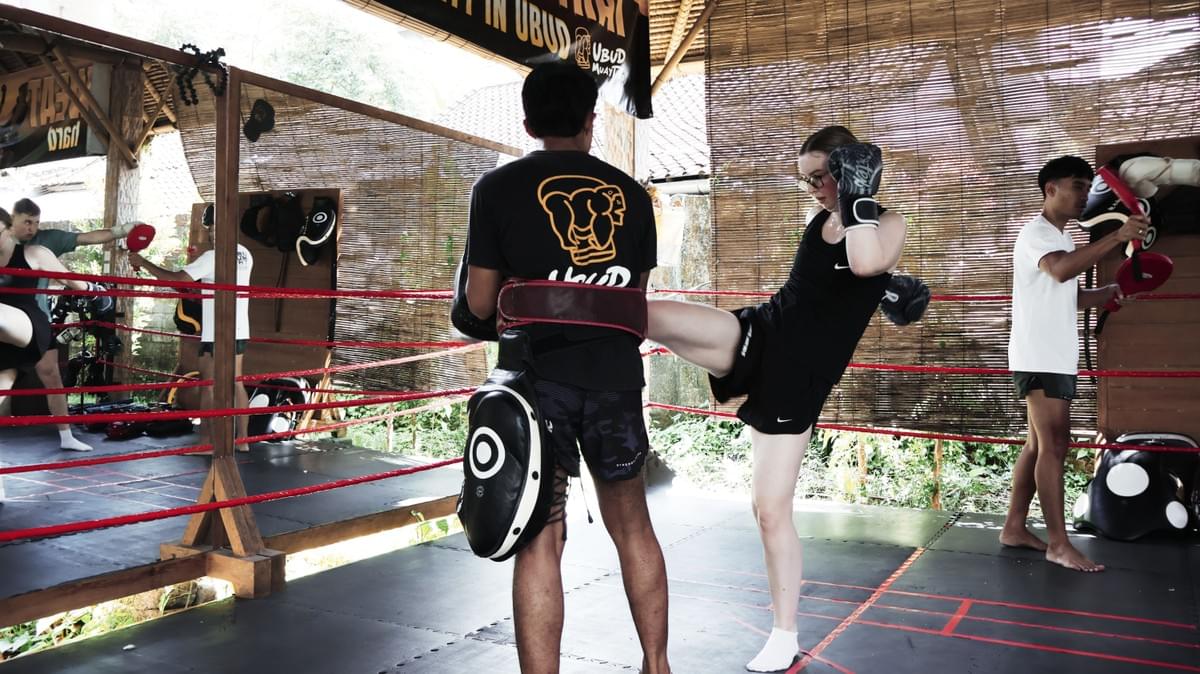
A good beginner session doesn’t throw you into sparring immediately. It usually includes:
- warm-up and basic conditioning
- technique drills (pads or controlled partner work)
- light combinations
- gradual intensity
You build up step by step.
You also have structure. You’re not just improvising or guessing what to do.
If the training environment is right, you’ll feel challenged—but not overwhelmed or at risk.
Why Technique Matters More Than Strength
One of the fastest ways beginners get hurt is by trying to use too much power too early.
Without proper technique:
- your joints take more stress
- your balance becomes unstable
- your movements become inefficient
This is especially true for lower-body movement. If your base isn’t strong, everything above it becomes harder to control.
Working on your foundation helps reduce that risk. These Muay Thai leg exercises are a good place to start.
You don’t need to be strong from the beginning—but you do need to build correctly.
Listening to Your Body Matters More Than Pushing Through
There’s a difference between discomfort and injury. You will feel:
- soreness
- fatigue
- tightness
That’s normal when your body is adapting.
But sharp pain, instability, or something that feels “off” shouldn’t be ignored.
A lot of beginners try to push through everything, thinking it’s part of the process. That’s usually what leads to unnecessary injuries.
Progress comes from consistency, not from forcing intensity too early.
How to Start Safely
If you’re new, keep it simple.
- Focus on learning, not performing
- Don’t compare your pace to others
- Take breaks when you need them
- Ask questions when something feels unclear
- Stay consistent instead of going all out
You don’t need to prove anything in your first sessions; you just need to build a base.
The Environment Makes a Big Difference
Safety is not just about you—it’s also about where you train.
A structured class, clear guidance, and a supportive environment reduce risk significantly. You should feel:
- guided, not pressured
- corrected, not judged
- challenged, but still in control
If that’s in place, your learning curve becomes smoother and safer.
If You’re Thinking About Starting in Ubud
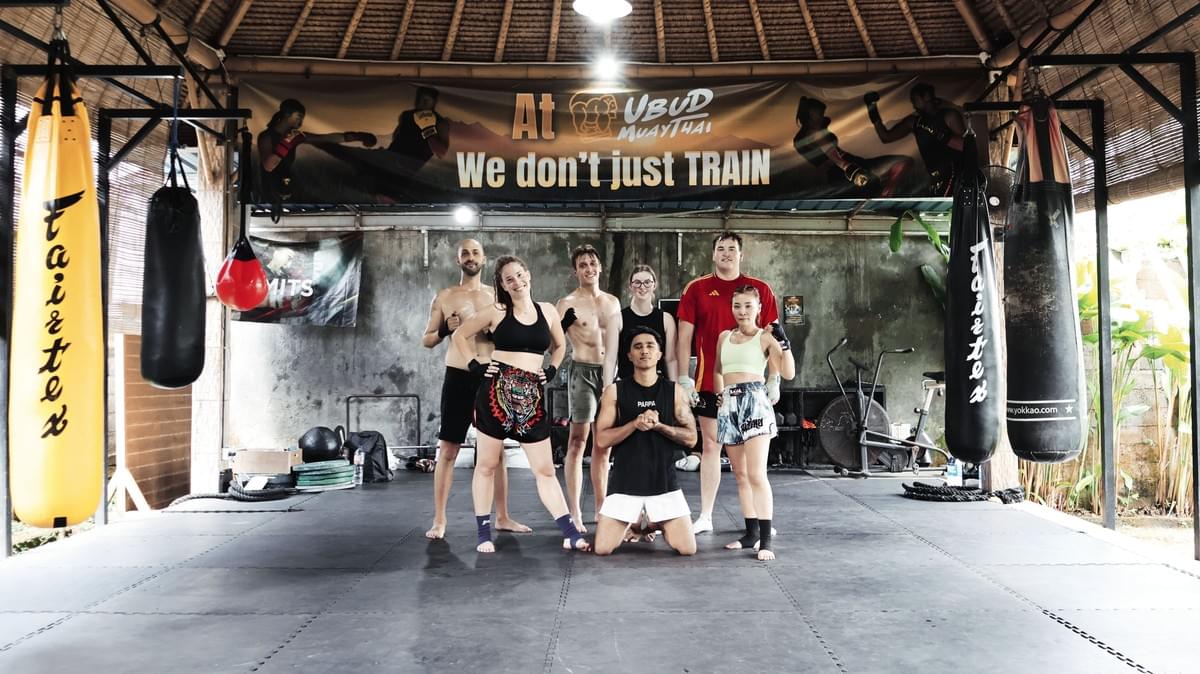
If you’re based in Ubud or visiting, the way your first sessions are structured will shape your experience.
You can take a look at the available classes here, and check the full training schedule to find sessions that match your level.
Starting in the right setting makes a big difference in how safe and comfortable you feel.
Muay Thai and boxing are not as dangerous as they might look from the outside.
For beginners, they are controlled, structured, and focused on learning—not fighting.
Most injuries don’t come from the sport itself. They come from rushing, overdoing it, or ignoring basics.
If you take your time, stay consistent, and train in the right environment, both can be a safe and rewarding way to build strength, coordination, and confidence.